celebrate culture

Budget travel is a skill built from small decisions, not a privilege reserved for those with deep pockets. With the right mindset, strategies, and a dash of creativity, anyone can explore the world without draining their savings. This guide dives into the art of free national parks, unraveling tips and tricks to make your travel dreams a reality. From selecting cost-effective destinations to mastering the nuances of frugal lodging, we’ve got you covered.
Why Choose Budget Travel?
For many, travel is synonymous with luxury—a notion perpetuated by social media’s dazzling images of overwater bungalows and Michelin-star meals. However, fun things to do in Denver offers a different kind of richness. It’s about immersive experiences, authentic interactions, and the thrill of stretching every dollar. Traveling on a budget often leads to serendipitous discoveries, forging deeper connections with cultures and people. Plus, the satisfaction of exploring on a shoestring budget is unparalleled.
Choosing the Right Destination
The cornerstone of successful Budget Travel is selecting destinations where your currency has more clout. Consider these options:
- Southeast Asia: Countries like Thailand, Vietnam, and Cambodia offer a wealth of experiences at a fraction of Western prices.
- Eastern Europe: Escape the high costs of Western Europe by exploring gems like Bulgaria, Romania, or Poland.
- Latin America: Peru, Guatemala, and Nicaragua promise vibrant cultures and adventures without financial strain.
- Staycations: Sometimes, the most overlooked treasures are in your backyard. Research local destinations that offer unique experiences at minimal costs.
Timing is Everything
Timing can make or break budget travel. To maximize savings:
- Travel Off-Peak: Shoulder seasons—just before or after peak tourist times—offer cheaper rates on flights and accommodations.
- Book in Advance: Airlines and hotels often offer early-bird discounts. Conversely, last-minute deals can sometimes work wonders, but they’re less reliable.
- Flexibility Wins: Be flexible with your travel dates. Use tools like Google Flights or Skyscanner to find the most affordable options.
Transportation on a Dime
Transport is where budget travel succeeds or fails, because it eats up a significant portion of travel expenses. but savvy strategies can help you save:
- Flights: Use budget airlines, redeem frequent flyer miles, and compare prices across platforms like Kayak or Momondo.
- Trains and Buses: Especially in Europe and Asia, trains and buses are cost-effective and offer scenic views.
- Ridesharing: Platforms like BlaBlaCar connect you with locals offering carpool rides at low prices.
- Walking and Cycling: Rediscover the charm of slow travel. It’s free, healthy, and deeply immersive.
Accommodation Hacks That Cut Costs
Accommodation is the largest line in most budget travel plans, and where you rest your head can significantly impact your expenses. Here’s how to keep it frugal yet comfortable:
- Hostels: Forget the stereotype of dingy dorm rooms. Modern hostels often provide private rooms, social atmospheres, and great locations.
- Home Exchanges: Websites like HomeExchange allow you to swap homes with someone in your desired destination.
- Couchsurfing: Stay with locals for free while gaining insider tips and making new friends.
- Camping: Embrace the outdoors by camping in national parks or free camping zones.
- Budget Hotels and Guesthouses: These often provide the basics at an affordable rate. Research on platforms like Agoda or Booking.com.
Dining on a Budget
Food is the easiest place to blow a budget travel plan, but savoring local cuisine doesn’t have to cost a fortune. Adopt these culinary strategies:
- Street Food: Often the most authentic and delicious meals are found at street-side stalls.
- Local Markets: Buy fresh produce and snacks for a fraction of restaurant prices.
- Cook Your Own Meals: Opt for accommodations with kitchen facilities.
- Happy Hours and Deals: Enjoy dining out during special promotions or early-bird discounts.
Mastering the Art of Free Activities
Some of the most memorable experiences are free. Consider:
- Nature: Hiking, beachcombing, or stargazing comes at no cost.
- Museums and Galleries: Many offer free entry on certain days or discounted rates for students.
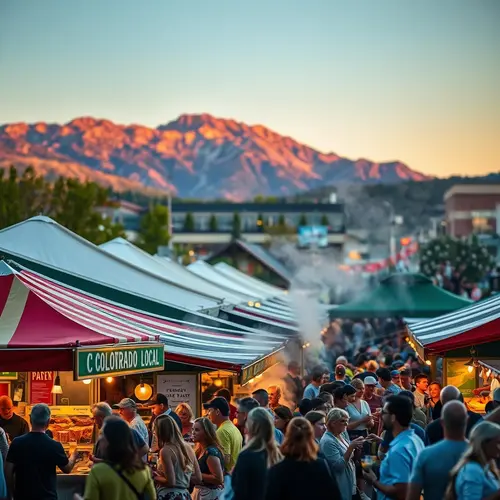
- Local Festivals: Immerse yourself in the vibrancy of a destination by participating in community celebrations.
- Walking Tours: Many cities offer free guided tours where you can pay what you feel it’s worth.
Money Matters: Budgeting for Budget Travel
To ensure seamless Budget Travel, pay attention to financial details:
- Currency Exchange: Use ATMs for better rates than airport counters. Opt for cards with no foreign transaction fees.
- Daily Budgets: Allocate daily spending limits for accommodation, food, and activities.
- Travel Insurance: A small investment in insurance can save you from unexpected costs down the line.
Technology to the Rescue
Modern tools can simplify Budget Travel:
- Apps for Deals: Use Hopper or Skiplagged for airfare deals.
- Navigation: Google Maps or Maps.me ensure you never lose your way.
- Expense Tracking: Apps like Trail Wallet help manage travel expenses efficiently.
- Local Guides: Platforms like Meetup or Airbnb Experiences connect you with affordable local experiences.
Sustainable and Ethical Travel Choices
Budget-conscious travel doesn’t mean cutting corners on ethics or sustainability. Be mindful of:
- Supporting Local Economies: Choose locally-owned accommodations and eateries.
- Reducing Waste: Carry reusable water bottles, utensils, and bags.
- Respecting Cultures: Follow local customs and traditions to leave a positive impact.
Packing Smart for Any Trip
Packing light is a budget travel habit; it isn’t just convenient, it can also save money on baggage fees. Focus on:
- Versatile Clothing: Choose items that can be mixed and matched.
- Travel Essentials: Don’t forget a compact first-aid kit, reusable toiletries, and a universal adapter.
- Multi-Functional Gear: Items like a sarong can double as a blanket, towel, or makeshift bag.
Overcoming Common Challenges
Even seasoned travelers encounter hurdles. Stay prepared:
- Language Barriers: Use translation apps or learn basic phrases in the local language.
- Health Issues: Carry essential medications and understand local healthcare options.
- Unexpected Expenses: Always have a contingency fund for emergencies.
Building Lifelong Memories
Budget Travel isn’t about sacrifice—it’s about intentional choices that amplify the richness of the experience. Every corner of the world has stories waiting to be uncovered, and with thoughtful planning, those stories can become a part of your journey.
So, pack your bags, embrace the unknown, and embark on a voyage that proves you don’t need to be wealthy to explore the wealth of the world. The realm of Budget Travel is not just about saving money; it’s about redefining how you perceive the art of exploration.
Related reading: Budget Travel: A Practical Approach.
A Sample Daily Budget Framework
A daily target turns a vague intention into a number you can check at dinner. Split the target into five lines, then adjust the shares for the destination. In expensive cities, lodging and food take more; in rural areas, transport takes more.
| Line item | Share of daily budget | What it covers |
|---|---|---|
| Lodging | 35–45% | Hostel, guesthouse, or budget hotel. |
| Food | 20–30% | Groceries, markets, and one modest meal out. |
| Transport | 10–20% | Transit passes, shared rides, and intercity buses. |
| Activities | 10–15% | One paid attraction and free walking routes. |
| Buffer | 10% | Fees, tips, and small surprises. |
Track the first three days against the target. If you are over, cut the paid activity rather than the food budget; hunger makes every other saving harder. At the end of the trip, compare the daily average with the plan and use that number next time.
When It Pays to Spend More
Frugal travel is not the same as false economy. Paying for a central room can eliminate two transit fares a day and an hour of commuting. A direct flight can be cheaper than a budget connection once you add a meal, a bag fee, and a wasted night. Do the math on the whole day, not just the headline price.
Spend on safety and sleep. A well-lit neighborhood, a locked locker, and a quiet room are worth a premium because they protect the rest of the trip. The same logic applies to travel insurance and a spare day of buffer before a fixed commitment.
Travel Insurance and Emergencies
Check what your existing health and credit-card coverage already includes before buying a separate policy. A basic travel policy should cover medical evacuation, trip interruption, and lost baggage; read the exclusions for pre-existing conditions and adventure activities.
Keep digital and paper copies of your passport, policy number, and emergency contacts. Save the local emergency number and your embassy’s address before you leave. A small emergency fund, separate from the daily budget, prevents a missed flight from turning into a debt.
How much should I budget per day?
A realistic daily budget depends on the destination, but a common split is 35 to 45 percent for lodging, 20 to 30 percent for food, 10 to 20 percent for transport, 10 to 15 percent for activities, and 10 percent as a buffer. Track the first three days and adjust before the money runs out.
What is the cheapest time to travel?
Shoulder seasons, just before or after peak tourist periods, usually offer lower flight and room rates without the crowds. Booking midweek and avoiding school holidays also helps. Compare the total cost of a trip, including bags and local transport, rather than the airfare alone.
Is budget travel safe?
It can be, if you prioritize a well-located room, verified transport, and basic insurance. Keep copies of documents, avoid isolated areas at night, and maintain a small emergency fund. Saving money should never mean skipping safety.
About the Author