airport denver
Navigating airport denver, officially known as Denver International Airport (DIA), requires understanding one of North America’s largest and busiest aviation hubs. This facility serves as a primary gateway to the Rocky Mountain region, handling over 69 million passengers annually and sprawling across 53 square miles of Colorado terrain.
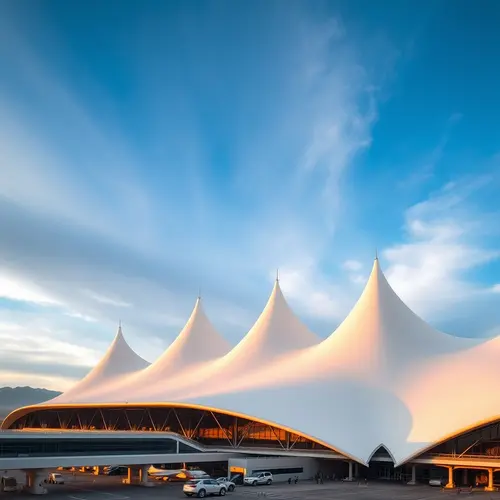
Denver International Airport stands as the third-busiest airport in the United States by passenger traffic. Its distinctive white-peaked terminal roof mimics the snow-capped mountains visible from the runways, creating an architectural landmark recognizable worldwide.
Understanding Airport Denver Terminal Layout
The main Jeppesen Terminal houses ticketing, baggage claim, and ground transportation. Three concourses (A, B, and C) extend from this central hub, connected by an underground automated train system that runs every two minutes during peak hours.
Concourse A primarily handles international flights and certain domestic carriers. Concourse B serves United Airlines operations, while Concourse C accommodates Southwest Airlines and additional carriers. Walking between the farthest gates can require 20-30 minutes, making the train system essential for tight connections.
The Underground Train System at Airport Denver
This automated rail system operates continuously, transporting passengers between all terminals and concourses. Each train car accommodates approximately 100 passengers and completes the full circuit in under six minutes.
For accessibility, elevators and moving walkways provide alternatives to the train system. Passengers with mobility concerns should budget additional time, as some elevator banks experience higher traffic volumes during peak travel periods.
Ground Transportation Options
The RTD A Line light rail connects airport denver directly to downtown Denver’s Union Station in 37 minutes. This rail service operates from 3:30 AM to midnight on weekdays, providing an economical alternative to taxis and rideshare services.
| Transportation Method | Approximate Cost | Travel Time to Downtown | Best For |
|---|---|---|---|
| RTD A Line | $10.50 | 37 minutes | Solo travelers on a budget |
| Rideshare (Uber/Lyft) | $45-65 | 25-35 minutes | Groups of 2-3 with luggage |
| Taxi | $55-75 | 25-35 minutes | Business travelers with expense accounts |
| Rental Car | $40-80/day | 25-40 minutes | Extended stays requiring flexibility |
| Shared Shuttle | $25-35 | 45-90 minutes | Budget-conscious travelers without time constraints |
Rideshare pickup locations sit on Level 5 (east side) of the main terminal. Taxi stands occupy Level 5 (island 1, west side). Rental car facilities operate from a consolidated center accessible via shuttle buses departing from Level 5 (island 4).
Security Checkpoint Strategy
TSA security screening at airport denver operates through two main checkpoint areas: north and south. The Transportation Security Administration recommends arriving two hours before domestic flights and three hours before international departures.
TSA PreCheck lanes significantly reduce wait times, processing approved travelers in under five minutes during most periods. According to TSA data, standard security lanes average 15-30 minutes during off-peak hours and 30-60 minutes during morning and evening rush periods.
Peak Travel Times to Avoid
Morning departures between 5:00 AM and 8:00 AM generate the longest security lines. Evening rushes occur between 4:00 PM and 7:00 PM. Travelers can check real-time security wait times through the airport’s official mobile application.
- Monday mornings experience highest business traveler volume
- Friday afternoons see leisure traveler surges
- Sunday evenings combine both demographics for maximum congestion
- Tuesday through Thursday midday periods offer shortest wait times
- Holiday weekends require extra planning with security waits exceeding 90 minutes
Dining and Amenities Throughout Airport Denver
Over 100 food and beverage establishments operate across all concourses. Local Colorado brands feature prominently, including Root Down (farm-to-table cuisine), Elway’s (steakhouse), and New Belgium Brewing Company (craft beer).
Each concourse contains nursing rooms, pet relief areas, and children’s play zones. Concourse A offers a dedicated USO lounge for military personnel. Premium airline lounges require membership or day passes ranging from $50-75.
Expert Opinion: The Altitude Factor
Denver International Airport sits at 5,430 feet above sea level, making it the highest major commercial airport in the United States. This elevation affects everything from aircraft performance to passenger physiology.
Pilots must account for reduced air density during takeoff, requiring longer runway distances and adjusted engine performance calculations. Passengers may experience mild altitude-related symptoms including dehydration, fatigue, or headaches. Drinking water before, during, and after flights helps mitigate these effects.
The lower humidity at high altitude also impacts comfort. Airport facilities maintain humidity levels, but aircraft cabins typically drop to 10-20% humidity during flight. Nasal saline spray and lip balm provide relief for frequent travelers departing from airport denver.
Parking Solutions and Cost Management
Denver International provides multiple parking tiers based on proximity and budget. The economy parking lots offer the lowest rates at approximately $8 per day, located 10-15 minutes from the terminal via shuttle bus.
Garage parking costs roughly $26 per day, providing covered protection and direct terminal access via pedestrian bridges. Valet parking services charge premium rates starting at $32 per day but eliminate the stress of finding spaces during busy periods.
Off-airport parking facilities near airport denver provide competitive alternatives, often including free shuttle service and rates 20-40% below official airport parking. These private lots operate along Peña Boulevard approaching the airport.
Weather Considerations and Flight Reliability
Colorado’s unpredictable weather patterns significantly impact operations at airport denver. Thunderstorms during summer months can cause ground stops lasting 30-90 minutes. Winter snowstorms occasionally require runway deicing operations that delay departures.
According to Federal Aviation Administration statistics, DIA maintains an on-time departure rate around 78%, slightly below the national average due to weather variability. The airport’s six runways provide operational redundancy that minimizes complete closures.
Debunking the Conspiracy Myths
Numerous urban legends surround airport denver, from underground bunkers to apocalyptic murals. These stories persist despite mundane explanations rooted in construction practicalities and artistic expression.
The famous blue mustang sculpture with glowing red eyes, nicknamed “Blucifer,” simply represents artist Luis Jiménez’s distinctive style. The underground tunnels serve practical purposes for baggage handling and infrastructure maintenance, not secret government operations.
The apocalyptic-themed murals by artist Leo Tanguma actually depict themes of environmental destruction followed by humanity coming together for peace and restoration. Context matters when interpreting public art installations.
Connecting Flight Strategy
Minimum connection times at airport denver vary based on arrival and departure concourses. Same-concourse connections require minimum 30 minutes. Different concourse connections need 45-60 minutes to account for train travel and potential delays.
United Airlines operates a major hub at DIA, controlling over 40% of daily flights. This dominance creates convenient connection options for travelers routing through the Rocky Mountain region. Southwest Airlines provides point-to-point service from Concourse C with competitive pricing.
- International to domestic connections require 90-120 minutes for customs and security re-screening
- Domestic to international connections need 60-90 minutes for international security protocols
- Airlines will not protect connections booked separately if delays cause misses
- Travel insurance covers missed connections only under specific policy terms
Mobile Technology and Digital Resources
The official DIA mobile application provides real-time flight tracking, security wait times, interactive terminal maps, and dining reservations. Free airport WiFi operates throughout all public areas without time limits or login requirements.
Digital boarding passes and mobile wallet integration streamline the check-in process. Most airlines serving airport denver support biometric screening through facial recognition technology, expediting both bag drop and boarding procedures.
Final Considerations for Smooth Travel
Success at airport denver depends on adequate preparation and realistic time expectations. The facility’s size demands respect—rushing between distant gates rarely succeeds.
Travelers benefit from booking flights with generous layover buffers, arriving early for departures, and downloading helpful mobile resources before travel days. Understanding the layout, transportation options, and potential weather impacts transforms anxiety into confidence when navigating this major aviation hub.
About the Author