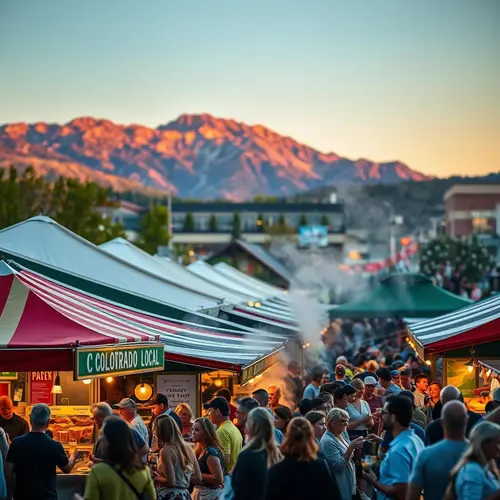
denver food events
If you want to experience the full flavor of Colorado’s capital city, denver food events offer an unmatched gateway into the region’s diverse culinary scene. From farm-to-table showcases to international food festivals, these gatherings bring together local chefs, artisan producers, and food enthusiasts in ways that standard restaurant dining simply cannot replicate.
The Denver metropolitan area hosts hundreds of food-focused gatherings annually, ranging from intimate chef-led dinners to massive outdoor festivals drawing tens of thousands of attendees. Understanding how to navigate this landscape separates tourists from true culinary explorers.
What Makes Denver Food Events Unique
Denver’s elevation at 5,280 feet above sea level creates distinct challenges and opportunities for culinary professionals. Baking times adjust, alcohol affects guests differently, and the dry climate influences flavor profiles in unexpected ways.
The city’s position as a crossroads between the Great Plains and Rocky Mountains means local ingredients span an impressive range. Bison from eastern Colorado ranches appears alongside Rocky Mountain trout, while urban farms supply year-round greens despite the high-altitude climate.
According to the Colorado Restaurant Association, the state’s food and beverage industry generates over $14 billion annually, with Denver serving as the epicenter of innovation. This economic engine fuels a competitive event landscape where organizers constantly raise the bar.
Types of Food Gatherings You’ll Encounter
The denver food events calendar divides into several distinct categories, each serving different audiences and purposes.
Seasonal Food Festivals
Large-scale outdoor festivals dominate the warmer months, typically running from May through October. These multi-day events feature dozens of vendors, live music, and sponsored activations from beverage companies.
Attendance at major festivals often exceeds 50,000 people across a weekend. Ticket prices range from $30 for general admission to $150+ for VIP experiences that include reserved seating and premium tastings.
The most successful festivals focus on specific themes rather than attempting to cover all cuisines. Barbecue competitions, craft beer pairings, and vegan showcases each attract dedicated followings.
Restaurant Week Programming
Multi-week dining promotions allow restaurants to offer prix-fixe menus at standardized price points. Participating establishments create special three-course menus showcasing their signature techniques.
These programs serve dual purposes: introducing diners to new restaurants while providing establishments with predictable traffic during traditionally slower periods. Reservations fill quickly, often requiring booking weeks in advance.
Farmers Market Gatherings
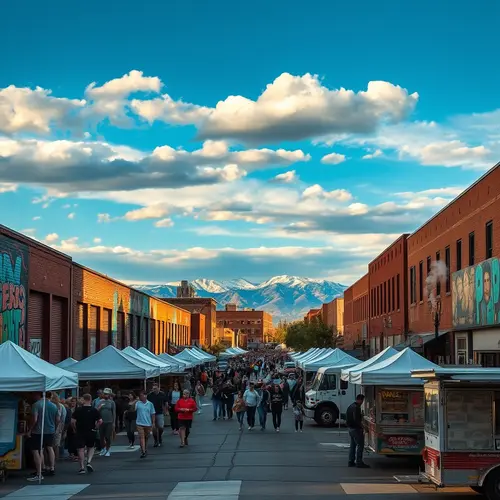
Weekly markets transform parking lots and parks into temporary food halls where producers sell directly to consumers. Beyond fresh produce, many markets host cooking demonstrations, live music, and prepared food vendors.
The Union Station Farmers Market operates year-round, while neighborhood markets follow seasonal schedules. Arriving during the first hour ensures the best selection, though crowds thin considerably in the final 30 minutes when vendors may discount remaining inventory.
Chef Collaboration Dinners
Intimate multi-course dinners feature two or more chefs working together to create unique tasting menus. These events typically accommodate 40-100 guests and sell out within days of announcement.
Tickets range from $75 to $250 per person depending on the chefs’ profiles and venue exclusivity. Wine pairings add $40-80 to the base price.
How to Find Denver Food Events Before They Sell Out
The most coveted culinary experiences announce tickets weeks or months in advance, creating a competitive landscape for securing spots.
Primary Discovery Channels
- Restaurant social media accounts announce collaborations and special dinners first, often days before formal ticket sales
- Local food bloggers maintain curated calendars aggregating events across multiple sources
- Neighborhood business improvement districts promote area-specific gatherings through dedicated websites
- Email newsletters from venues and event spaces provide early access to ticket sales
- Food halls and markets post monthly event schedules on their websites
Setting up social media alerts for key terms like “Denver dinner” or “chef collaboration” helps catch announcements within hours of posting. Speed matters when events sell out in 24-48 hours.
Timing Your Search
Event organizers follow predictable announcement patterns based on seasonal cycles. Winter events typically announce in early December, while summer festivals reveal lineups in February or March.
Restaurant week schedules publish 6-8 weeks before the program begins. Farmers markets release seasonal schedules in March for summer operations and September for winter markets.
Expert Strategies for Maximizing Your Experience
Attending denver food events requires more than just showing up with a ticket. Strategic planning dramatically improves the quality of your experience.
Optimal Arrival Times
Large festivals operate on predictable crowd patterns. Arriving within the first 90 minutes ensures full vendor availability and shorter lines, but crowds peak between 1-3 PM on Saturdays.
Sunday mornings offer the sweet spot: reduced crowds, vendors at full inventory, and more relaxed interactions with chefs and producers. Many attendees skip Sundays entirely, assuming weekend events are Saturday affairs.
Budget Planning
| Event Type | Typical Cost Per Person | Hidden Expenses |
|---|---|---|
| Large Festivals | $40-100 | Parking ($20-30), additional tastings ($5-15 each), merchandise |
| Restaurant Week | $35-65 per meal | Beverages (not included), gratuity (20% on pre-discount price) |
| Chef Dinners | $75-250 | Wine pairings ($40-80), transportation, gratuity |
| Farmers Markets | $30-60 | Prepared food samples, impulse purchases |
Credit card policies at outdoor events vary significantly. While major festivals accept cards, individual vendors may require cash. ATM fees at event sites typically run $3-5 per transaction.
What Industry Insiders Know
Professional food writers and restaurant critics follow specific protocols that casual attendees can adopt for superior experiences.
At tasting events, alternate between rich and acidic items to prevent palate fatigue. Cheese and cured meats overwhelm taste receptors quickly, while pickled vegetables and citrus-based dishes reset your palate.
Engage vendors with specific questions rather than generic compliments. Ask about sourcing, preparation techniques, or menu development. These conversations often lead to off-menu recommendations or insider tips about upcoming events.
Common Mistakes That Ruin Denver Food Events
Even experienced food enthusiasts make preventable errors that diminish their event experience.
Overeating Early
The single biggest mistake involves filling up on the first few vendors you encounter. Large festivals may feature 50+ food stations, and the best items often hide toward the back or in less-trafficked areas.
Complete a full reconnaissance loop before committing to any single vendor. Take photos of interesting options, noting their locations, then circle back to your top choices.
Ignoring Weather Realities
Denver’s climate creates dramatic temperature swings, often dropping 30-40 degrees between afternoon and evening. Outdoor events that begin at 3 PM may feel comfortable initially but turn cold by 7 PM as the sun sets.
Layered clothing proves essential. A light jacket or wrap stored in a small bag provides insurance against unexpected weather shifts.
Skipping Hydration
The combination of high altitude, low humidity, and alcohol consumption creates dehydration risks that coastal visitors underestimate. Denver’s elevation causes alcohol to absorb faster into the bloodstream.
Alternate every alcoholic beverage with a full glass of water. Most events provide free water stations, though lines can extend 10-15 minutes during peak hours.
The Evolution of Denver Food Events Scene
Understanding how denver food events developed helps predict future trends and identify emerging opportunities.
The city’s transformation from a meat-and-potatoes culture to a diverse culinary destination accelerated as craft brewing gained national prominence. Beer festivals created infrastructure and audience expectations that food events later adopted.
According to Visit Denver, the official tourism board, food-focused attractions now rank among the top three reasons visitors choose the city. This shift prompted significant investment in event infrastructure, from permanent food halls to seasonal popup spaces.
Debunking the “Winter Denver Food Events” Myth
Many food enthusiasts wrongly assume Denver’s culinary calendar hibernates from November through March. This outdated perspective misses some of the year’s most interesting programming.
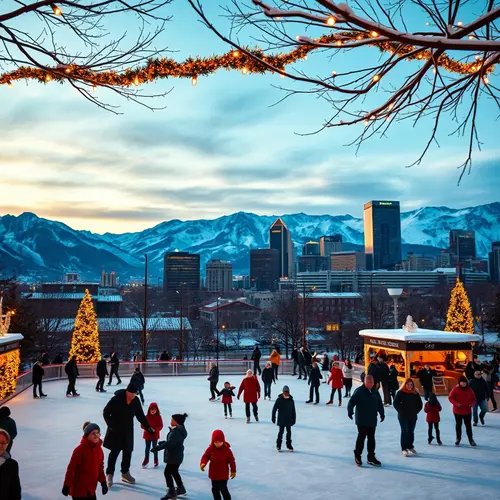
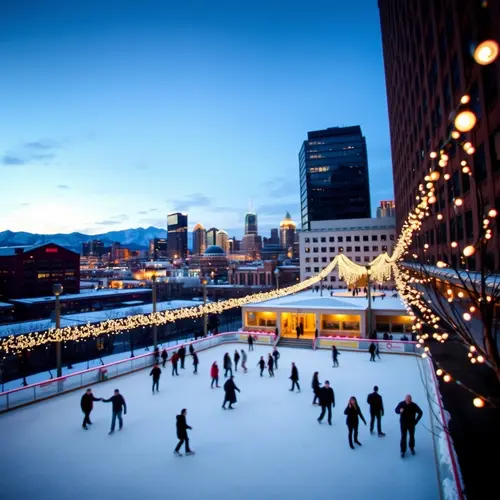
Winter events focus on indoor venues and comfort food themes. Holiday markets, whiskey tastings, and multi-course wine dinners fill the colder months. These gatherings often provide more intimate experiences than summer’s massive outdoor festivals.
Several year-round farmers markets operate in heated spaces, maintaining consistent vendor relationships and product quality regardless of season.
Making the Most of Your Denver Food Events Journey
Success at culinary gatherings comes from balancing spontaneity with strategic planning. Research establishes a framework, but remaining flexible allows you to capitalize on unexpected discoveries.
Track your experiences through photos and notes rather than relying on memory. Restaurant names, vendor contact information, and specific dish descriptions fade quickly when you sample 15-20 different items in a single afternoon.
Building relationships with regular vendors and event organizers transforms occasional attendance into ongoing access. Loyal participants often receive advance notice of special releases, private tastings, or invitation-only gatherings.
Whether you’re exploring established festivals or seeking underground popup dinners, denver food events provide direct connections to the people and passion driving Colorado’s culinary evolution. The city’s food scene rewards curiosity, preparation, and genuine engagement with equal measures of flavor and discovery.
For a seasonal break between food tours, explore Denver Botanic Gardens events across the city.
About the Author