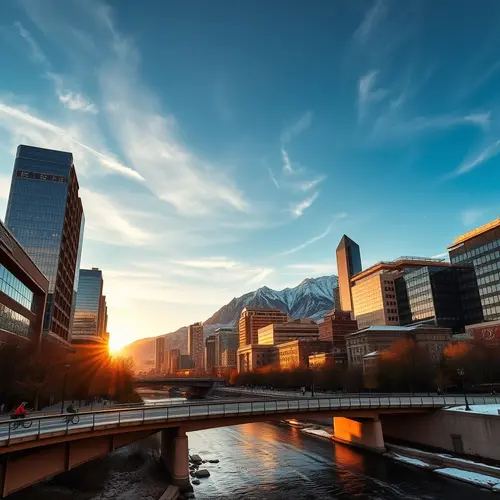
denver city holidays
Planning denver city holidays requires understanding what makes Colorado’s capital a year-round destination that delivers outdoor adventure, cultural richness, and urban sophistication. Whether you’re drawn to the Rocky Mountain backdrop, craft brewery scene, or world-class museums, Denver offers travelers a distinctive blend of Western heritage and contemporary metropolitan energy that few American cities match.
The Mile High City sits at exactly 5,280 feet above sea level. This elevation affects everything from alcohol tolerance to cooking times, making acclimatization essential for visitors. Drink significantly more water than usual during your first 24-48 hours to avoid altitude sickness symptoms like headaches and fatigue.
Why Denver City Holidays Appeal to Every Traveler Type
Denver functions as a rare urban base camp where you can attend a symphony performance, tour craft distilleries, and reach genuine wilderness within 30 minutes. The city maintains 300+ days of sunshine annually, according to the National Weather Service, creating ideal conditions for outdoor exploration regardless of season.
The Regional Transportation District operates an extensive light rail system connecting Denver International Airport directly to downtown neighborhoods. This infrastructure eliminates rental car dependency for urban exploration, though mountain excursions require personal vehicles.
Peak Seasons for Denver City Holidays and What They Offer
Summer months bring festival season, with outdoor concerts at Red Rocks Amphitheatre and farmers markets throughout neighborhoods. Temperatures range from 70-90°F, but low humidity makes heat comfortable. Hotel rates peak during June through August.
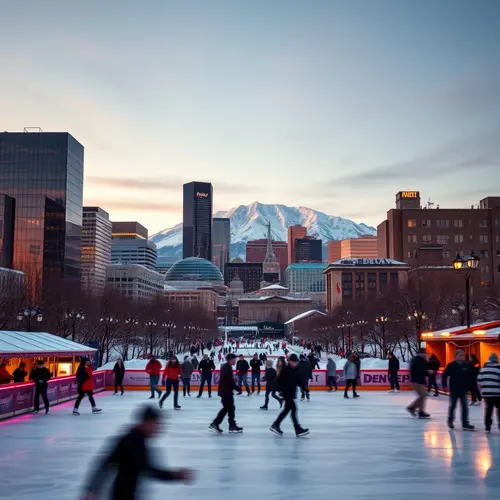
Winter transforms Denver into a ski gateway. Resorts like Vail, Breckenridge, and Aspen sit 90-120 minutes away via Interstate 70. The city itself receives moderate snowfall, maintaining walkability while nearby mountains accumulate deep powder. Holiday markets and ice skating at Skyline Park define the urban winter experience.
Spring and fall represent shoulder seasons with reduced crowds and competitive pricing. Mild weather supports hiking, biking, and urban exploration without summer tourist density or winter storm complications.
Strategic Planning for Denver City Holidays
Budget allocation depends heavily on accommodation location and activity mix. Downtown and Lower Highland (LoHi) neighborhoods command premium rates but offer walkability to major attractions. Suburbs like Aurora or Lakewood provide value with light rail access.
| Experience Category | Budget Range (Per Person/Day) | Key Considerations |
|---|---|---|
| Luxury Urban Stay | $400-600 | Five-star hotels, fine dining, private tours |
| Mid-Range Explorer | $200-350 | Boutique hotels, brewery tours, museum passes |
| Budget Adventurer | $100-180 | Hostels/Airbnb, food trucks, free parks/trails |
| Ski-Focused Trip | $300-500 | Add lift tickets, equipment rentals, mountain dining |
Navigating Denver’s Distinct Neighborhoods During Your Denver City Holidays
RiNo (River North Art District) showcases street murals, independent galleries, and experimental restaurants. The neighborhood transformed from industrial warehouses into Denver’s creative hub, with First Friday art walks drawing substantial crowds.
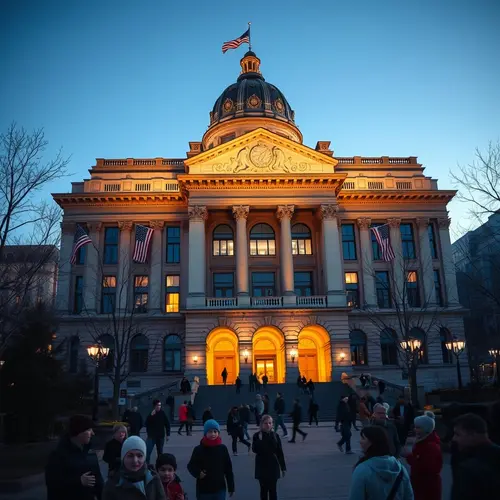
Capitol Hill blends historic architecture with counterculture energy. The area houses the Colorado State Capitol building, Civic Center Park, and numerous independently owned coffee shops and vintage stores.
Cherry Creek combines upscale shopping with dining sophistication. The Cherry Creek Trail provides paved paths for running and cycling, connecting downtown to suburban neighborhoods through riparian corridors.
Essential Experiences That Define Denver City Holidays
Red Rocks Park and Amphitheatre operates as both concert venue and hiking destination. The naturally formed acoustics create legendary sound quality, while trails through the geological formations offer free access to dramatic red sandstone scenery. Arrive early for concerts to explore Ship Rock Trail.
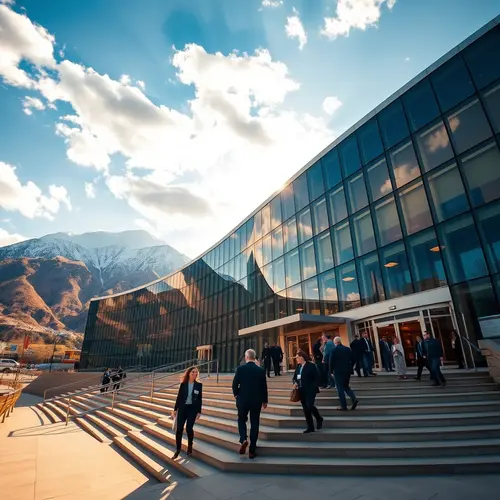
The Denver Art Museum holds one of the nation’s premier Native American art collections. The Daniel Libeskind-designed Hamilton Building itself functions as architectural sculpture, with angular titanium facades reflecting Colorado’s mountain geometry.
Union Station anchors downtown as a restored 1914 Beaux-Arts terminal. The Great Hall now contains restaurants, bars, and a boutique hotel, while maintaining functioning Amtrak service. The space serves as social gathering point rather than mere transit hub.
Outdoor Access During Denver City Holidays
Denver’s city park system includes over 250 locations totaling 6,000+ acres. Washington Park features two lakes, flower gardens, and recreation facilities within walking distance of residential neighborhoods. Cheesman Park provides elevated downtown views and hosts outdoor yoga sessions.
The South Platte River Trail extends 10.5 miles through Denver, connecting to a regional trail system exceeding 85 miles. Cyclists, joggers, and pedestrians share paved paths that parallel the river through urban and natural landscapes.
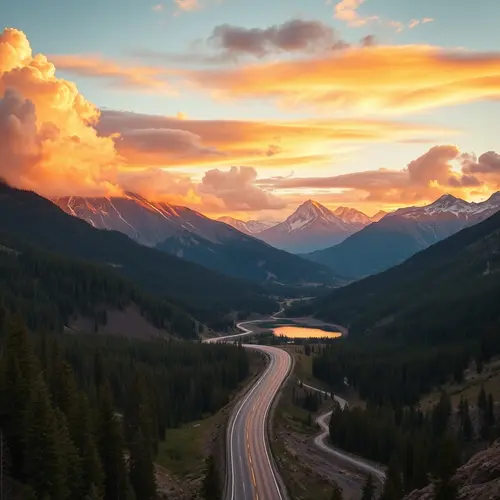
For mountain access, Mount Evans Scenic Byway climbs to 14,130 feet—the highest paved road in North America. The drive takes approximately 90 minutes from downtown, revealing tundra ecosystems and potential wildlife encounters including mountain goats and bighorn sheep.
Food and Beverage Culture in Denver City Holidays
Denver claims more breweries per capita than any major American city according to the Brewers Association. The craft beer scene extends beyond IPAs to experimental sours, barrel-aged stouts, and heritage lagers. Brewery districts like South Broadway and RiNo allow walking tours between tasting rooms.
Green chile defines Colorado cuisine. This pork-and-pepper stew tops everything from burritos to burgers, with each establishment claiming proprietary recipes. The dish originates from Southern Colorado’s Hispanic heritage but permeates Denver’s food culture completely.
Farm-to-table restaurants capitalize on Colorado’s agricultural output. Despite mountain geography, the state produces substantial vegetables, grass-fed beef, and lamb. Restaurants like Fruition and Mercantile emphasize seasonal Colorado ingredients with French and Italian techniques.
Hidden Culinary Gems for Denver City Holidays
Avoid tourist-trap restaurants on 16th Street Mall. Instead, explore Federal Boulevard’s authentic Asian and Latin American eateries, where immigrant communities maintain traditional preparation methods. Vietnamese pho shops and Mexican taquerías offer exceptional value and authenticity.
Denver Central Market in RiNo operates as a European-style food hall with permanent vendors selling artisan bread, charcuterie, and specialty groceries. The space functions equally well for quick lunches or ingredient shopping.
Practical Logistics for Successful Denver City Holidays
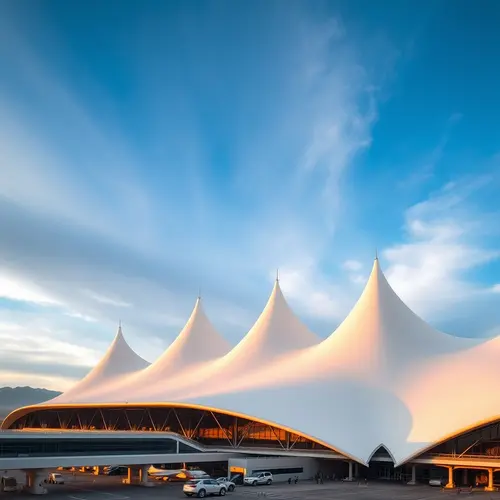
Denver International Airport ranks as the fifth-busiest U.S. airport by passenger traffic. The distinctive tent-like roof structure (designed to evoke Rocky Mountain peaks) houses all gates under one terminal, simplifying connections. The A-Line train reaches downtown in 37 minutes for minimal cost compared to rideshares.
Cannabis legality creates unique tourism considerations. Adults 21+ can purchase recreational marijuana at licensed dispensaries, but consumption remains illegal in public spaces, hotels, and rental cars. Some tour companies offer consumption-friendly transportation and designated venues.
Weather variability demands layered clothing regardless of season. Morning temperatures may differ from afternoon by 30-40 degrees. Sudden thunderstorms develop over mountains during summer afternoons, creating dramatic weather shifts. Always pack rain gear and sun protection simultaneously.
Transportation Strategy During Denver City Holidays
Light rail and bus service covers urban Denver comprehensively. Purchase multi-day passes through the RTD mobile app for unlimited local travel. Downtown remains highly walkable, with most major attractions within a 20-minute walk from Union Station.
Mountain excursions require vehicles. Interstate 70 experiences severe congestion on weekend mornings (westbound) and afternoons (eastbound) during ski season. Traction laws mandate appropriate tires or chains during winter conditions, with Colorado State Patrol enforcing strictly.
- Book accommodation at least 8-12 weeks ahead for summer visits and holiday periods
- Reserve concert tickets for Red Rocks immediately when sales open—shows sell out rapidly
- Schedule museum visits for weekday mornings to avoid crowds and school groups
- Download offline maps before mountain drives due to spotty cellular coverage
- Verify restaurant reservations 24 hours prior—many popular spots fill weeks ahead
- Purchase ski lift tickets online in advance for significant savings over walk-up rates
Expert Perspective on Maximizing Denver City Holidays
Many travelers make the mistake of treating Denver merely as a ski town gateway, missing the city’s standalone cultural depth. The most rewarding itineraries balance mountain adventure with urban exploration rather than committing entirely to either.
A contrarian approach: skip the major ski resorts during peak season and instead explore Denver’s immediate foothills. Golden Gate Canyon State Park and Eldorado Canyon offer stunning hiking without resort prices or crowds. You’ll experience authentic Colorado wilderness while maintaining quick return access to urban amenities.
Another common myth: that Denver’s food scene centers only on steakhouses and breweries. The city’s immigrant communities have created exceptional culinary diversity, particularly along Federal Boulevard and in neighborhoods like Montbello and Aurora. These areas offer authentic international cuisine at fraction of downtown prices.
The sweet spot for denver city holidays involves strategic timing around shoulder seasons. Late September through October delivers spectacular aspen foliage in nearby mountains, comfortable hiking temperatures, and dramatically reduced accommodation costs. Similarly, late April through May offers spring skiing conditions at resorts while Denver blooms with flowers and outdoor dining returns.
Understanding that Denver functions as an elevated high-desert climate changes visitor expectations appropriately. The sun feels more intense due to thinner atmosphere—sunscreen and lip balm become necessities rather than suggestions. Hydration requirements exceed typical travel needs. These physiological realities affect everything from athletic performance to alcohol tolerance, making preparation essential for enjoyable visits.
About the Author