Every remarkable travel story shares a common thread: the moment when everything around you feels perfectly aligned. The breeze softens. The horizon stretches wide. Your senses sharpen. And suddenly, you’re staring at the best view, the kind that makes you stop mid-step.
Travelers often remember these scenes more than itineraries, hotels, or souvenirs. A scenic lookout in Santorini at sunset. The misty ridgelines of the Himalayas at dawn. The reflective stillness of a Norwegian fjord. These awe-evoking vignettes are magnetic—powerful enough to shape your emotional connection to a destination.
This guide reveals how to intentionally seek, experience, and capture the best view wherever your next adventure leads.
Why the Best View Matters More Than You Realize
A breathtaking view does more than please the eyes—it recalibrates your emotional landscape. Studies show that scenic panoramas can lower stress, boost creativity, and improve mood. But beyond the scientific benefits, there’s another layer: meaning.
A journey without the pursuit of the best view is like a book without a climactic chapter. Yes, it can be good. Yes, it can be enjoyable. But it lacks the crescendo—the moment that lifts your spirit.
Different Travelers, Different Views
The concept of the best view isn’t universal. It shifts depending on your travel identity:
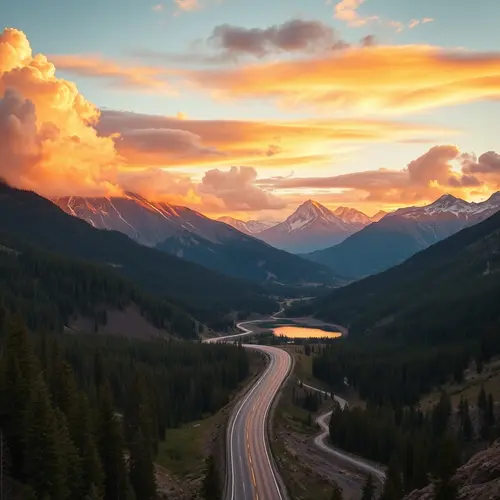
The Nature Enthusiast Finds the best view among towering pines, roaring waterfalls, and emerald valleys.
The Urban Explorer Sees the best view from rooftop bars, historic clock towers, and modern observation decks.
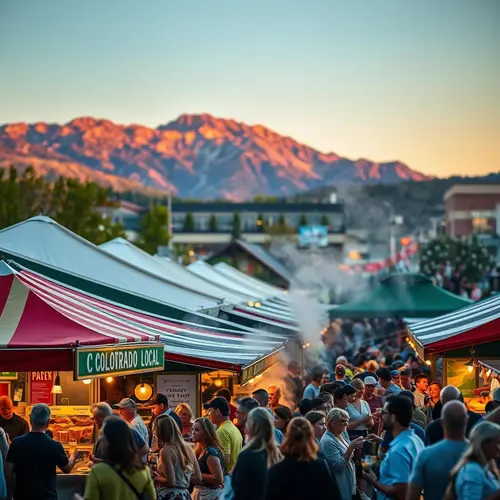
The Cultural Traveler Recognizes the best view in vibrant markets, ancient temples, or artisan villages.
The Minimalist Wanderer Discovers the best view in quiet corners, empty beaches, and unassuming countryside lanes.
This diversity makes travel endlessly fascinating. The best view is never singular—it adapts to the traveler, the moment, and the destination.
Finding the Best View: Expert Strategies for Unforgettable Travel Moments
Locating the best view takes more than luck. With thoughtful planning and intuitive exploration, you can uncover vantage points that elevate your entire travel experience.
1. Arrive Early or Stay Late—Timing Transforms Everything
The same location can look ordinary at noon but mesmerizing at sunrise. Early hours often reveal golden hues, soft silhouettes, and tranquil surroundings. Conversely, sunset creates warm light and cinematic colors.
For example:
Bali’s Tegallalang Rice Terraces glow like hammered gold at dawn.
New York’s Top of the Rock turns magical when the city lights begin to sparkle.
Uluru in Australia transitions into fiery red under evening sun.
The difference can be profound—timing alone can turn a good view into the best view.
2. Choose Elevated Vantage Points
Humans instinctively seek higher ground when searching for perspective. Elevated lookouts, whether natural or man-made, often deliver the best view with sweeping panoramas.
Consider the contrasts:
Table Mountain in Cape Town offers expansive views of coastline, city, and sky.
Tokyo Skytree reveals a glittering metropolis stretching endlessly beneath you.
Both scenes are stunning, yet entirely different. This comparison shows how altitude doesn’t just elevate your height—it elevates emotion.
3. Follow the Local Pathways
Locals often know where the best view is hidden. They understand nuances that don’t appear on tourist maps. By asking residents—drivers, cafe owners, artisans—you gain access to vantage points often overlooked by guidebooks.
Many travelers discover unforgettable sights this way:
A stone arch overlooking the cliffs of Malta.
A quiet lighthouse trail known only to fishermen in South Korea.
A forest ridge in New Zealand that reveals snow-capped ranges at the perfect angle.
These insider discoveries often beat popular lookout points, offering serenity and authenticity.
4. Explore Alternative Angles
Sometimes the best view isn’t the one everyone photographs. It may be a few steps to the left, a turn down a smaller street, or a climb onto a lesser-known hill.
Comparisons illustrate this beautifully:
The Eiffel Tower is iconic, but view it from Pont de Bir-Hakeim for a cinematic frame.
Niagara Falls is majestic upfront, but the helicopter viewpoint offers a stunning aerial perspective.
Angkor Wat is magnificent from the main gate, yet the back entrance during sunrise feels ethereal.
Angles matter. Small shifts can yield extraordinary visual impact.
5. Embrace Natural Phenomena
Nature periodically creates rare conditions that amplify the beauty of a landscape. Cloud inversions, morning mist, seasonal blooms, autumn foliage, and stargazing clarity can transform a simple view into the best view of your life.
For example:
Japan’s Mount Fuji reflected perfectly in Lake Kawaguchiko during sakura bloom.
Iceland’s waterfalls glowing under the northern lights.
Grand Canyon layered with sunrise fog.
Moments like these feel otherworldly. They create memories that seem almost unreal—like scenes borrowed from dreams.
Capturing the Best View: Elevating Your Photos and Emotions
Finding the best view is a triumph. Capturing it—emotionally or through photography—ensures the moment stays with you forever.
1. Slow Down and Absorb the Moment
Before taking a photo, pause. Let the view settle into your senses. Notice details—the scent of the air, the temperature, the soundtrack of nature or city life.
This mindful pause enriches the emotional imprint of the best view more deeply than any camera sensor can.
2. Compose Thoughtfully
A well-composed photo can turn an ordinary view into a masterpiece.
Use techniques such as:
Leading lines
Foreground interest
Rule of thirds
Symmetry
Frame-within-frame positioning
These elevate captured moments while preserving the integrity of the scene.
3. Capture Multiple Angles
Your first angle isn’t always the strongest. Move around. Kneel, climb, shift, rotate. Each adjustment reveals new layers of the best view, sometimes uncovering a more profound perspective.
4. Include Human Elements for Scale
Adding a silhouette, a walking traveler, or even your own shadow can dramatically enhance the emotional resonance of the best view. Human elements add relatability, warmth, and scale.
5. Balance Technology and Presence
Tools like drones, wide-angle lenses, and stabilization gear help capture high-quality visuals. But remember: technology should enhance—not replace—the emotional connection you feel.
The best view lives not only in your gallery, but in your memory.
Transforming Your Trips Through Intentional Viewing
Imagine your next journey filled with moments that move you—scenes that make you inhale sharply or smile without trying. That’s the power of seeking the best view.
The impact is transformative:
You travel with deeper appreciation.
You form emotional connections to places.
You return home feeling fulfilled, inspired, and refreshed.
Your memories feel cinematic, vibrant, and enduring.
When you intentionally pursue the best view, travel stops being a checklist. It becomes a journey of meaning, beauty, and self-renewal.
Your Journey to the Best View Begins Now
Let every future trip be guided by curiosity. Seek higher ground, quieter paths, and new angles. Ask locals. Observe light. Slow down at the right moments. Let yourself be surprised.
Let the pursuit of the best view become a gentle ritual—one that enriches every adventure and elevates your entire travel experience.
Because the world is full of breathtaking scenes waiting to be noticed. And among them, somewhere in your next journey, the best view awaits—ready to become one of the most unforgettable moments of your life.
Emily Johnson covers travel and local exploration since 2020, testing 50+ tours, stays, and local experiences on value, access, and experience to help travelers and visitors choose with confidence.