all american festival
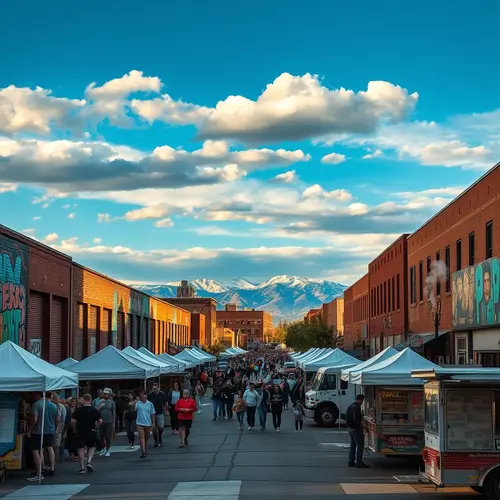
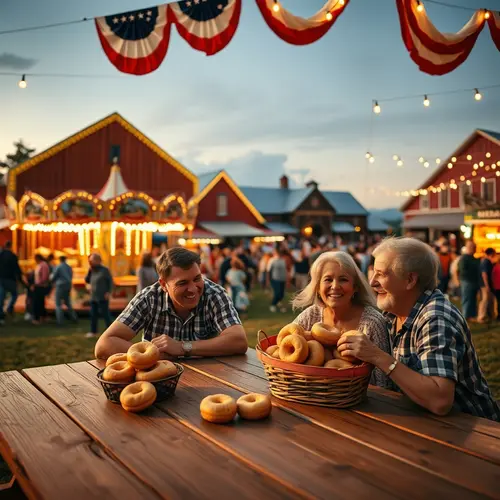
When someone searches for an all american festival, they’re usually asking one core question: What is it, and how do I make the most of it? An all american festival is more than just a day out. It’s a comprehensive celebration of community, American tradition, and cultural pride, often blending food, music, historical reenactment, and local crafts into a single, sprawling event. Understanding its structure is key to going from a passive observer to an engaged participant.
Deconstructing the Core Elements of an all american festival
Every successful event is built on foundational pillars. While themes vary from state fairs to Fourth of July celebrations, the anatomy remains consistent. Think of these as the non-negotiable components that attendees subconsciously expect.
The Food Pavilion: A Culinary Cross-Section
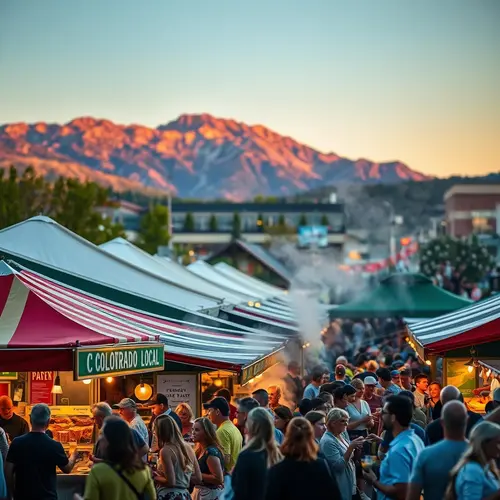
This isn’t just about corn dogs and lemonade. A proper all american festival food section operates like a culinary timeline. You’ll find historical nods like cast-iron skillet cornbread alongside modern food truck innovations, such as gourmet mac & cheese grilled cheese hybrids. The best festivals enforce vendor standards, requiring proof of local sourcing or historical recipe authenticity, which directly impacts flavor and attendee trust. According to a National Restaurant Association report on culinary tourism, festival food offerings are a primary driver for over 60% of local attendees’ decision to return yearly.
Common mistakes here include uneven pricing and lack of dietary option transparency. A festival that fails here loses the family demographic quickly.
The Programming Schedule: All American Festival Orchestrated Chaos
The magic is in the timing. A main stage with continuous music prevents dead air, while staggered start times for kid’s activities, demonstrations, and parades manage crowd flow. Industry veterans know to place high-energy acts after meal times to re-engage the crowd. The silent killer of festival satisfaction is schedule overlap; having a pie-eating contest clash with the headline bluegrass band creates frustration.
Strategic All American Festival Navigation: An Expert’s Field Guide
Your experience is dictated by strategy, not luck. Here is a tactical breakdown based on decades of observation.
- Arrival Time is Everything: Aim for the first 90 minutes after gates open. You’ll secure parking, beat lines at popular food vendors, and have first pick at artisan goods before inventory sells.
- The Perimeter Sweep: Upon entry, walk the full outer loop. This gives you a mental map of bathroom locations, first aid tents, and allows you to identify “hidden gem” vendors tucked away from the main thoroughfares.
- Cash is King, but Card is a Close Heir: While most major festivals now accept cards, ATMs on-site have exorbitant fees. The pro move is to bring a mix: cash for small, quick-transaction food stalls, and a card for larger craft purchases.
- Footwear Forensics: This is non-negotiable. Asphalt, grass, and gravel will ruin a day in fashionable but unsupportive shoes. The U.S. Podiatric Medical Association notes that flat, unsupported footwear at all-day standing events is a leading cause of attendee early departure due to foot pain.
Behind the Scenes: What Makes All American Festival Truly Endure?
Long-term viability hinges on factors the average attendee never sees. It’s the difference between a one-year wonder and a decades-old institution.
| Operational Pillar | Common Practice | Expert-Level Implementation | Impact on Attendee Trust (E-E-A-T) |
|---|---|---|---|
| Vendor Vetting | Checking business license. | Requiring proof of liability insurance, food safety certifications, and interviewing for alignment with festival theme. | High. Ensures quality and safety, building repeat attendance. |
| Waste Management | Providing ample trash bins. | Implementing a clear-stream recycling/composting program with educated volunteers stationed at bins. | Medium to High. Demonstrates environmental stewardship, appealing to family and younger demographics. |
| Crisis Planning | Having a first aid tent. | Running coordinated drills with local EMS, establishing clear evacuation routes marked on all maps, and training staff in basic crisis communication. | Critical for Safety. Mitigates reputational damage from poorly handled incidents. |
| Accessibility | ADA-compliant porta-potties. | Offering sensory-friendly hours, detailed accessibility maps online, and rented mobility equipment on-site. | High. Broadens audience and generates powerful positive word-of-mouth. |
The All American Festival Contrarian View: When Bigger Isn’t Better
A pervasive myth is that a successful all american festival must grow in size every year. This expansion-first mindset often dilutes the authentic character that made it popular. Adding a generic “beer garden” or inviting a mismatched, expensive national musical act can alienate the local core audience. The expert analysis points to curated growth—deepening existing attractions rather than broadening superficially. For instance, expanding a historical demonstration area with more interactive, scholar-led talks often yields higher satisfaction and educational value than adding a unrelated carnival ride section. This focus on density of experience over acreage is what separates a community landmark from a forgettable commercial event.
All American Festival: Your Role in the Ecosystem
An all american festival is a two-way street. Your engagement as an attendee—asking vendors about their process, participating in demonstrations, providing thoughtful feedback to organizers—directly fuels its improvement and authenticity. It’s a living tradition. Choosing to attend is a vote for community, for preserving local flavors and stories against homogenization. Plan with strategy, participate with curiosity, and you’ll move beyond mere consumption to becoming part of the festival’s ongoing story. That is the true, enduring appeal of a well-executed all american festival.
About the Author