denver botanic gardens
Nestled in the heart of Colorado’s capital, the Denver Botanic Gardens stands as one of the premier horticultural destinations in the Rocky Mountain region. Spanning 24 acres of meticulously curated landscapes, this living museum attracts over half a million visitors annually who seek refuge from urban life while exploring diverse plant collections from around the globe.
What Makes Denver Botanic Gardens a Must-Visit Destination
The gardens feature more than 50 individual gardens and distinct collections, showcasing approximately 15,000 plant species. From alpine flora native to Colorado’s high country to tropical specimens thriving in controlled conservatories, the diversity here rivals botanical institutions with significantly larger footprints.
Unlike many metropolitan gardens that focus purely on ornamental displays, this facility emphasizes water-wise landscaping and sustainable practices. The Plains Garden demonstrates xeriscaping principles that have become essential for arid Western climates, offering practical insights for home gardeners facing water restrictions.
Core Collections at Denver Botanic Gardens
The Japanese Garden, designed by Koichi Kawana in the 1970s, remains one of the most photographed sections. Traditional elements include a koi pond, stone lanterns, and carefully pruned pines that exemplify centuries-old techniques. Spring brings cherry blossoms, while autumn transforms maples into blazing red canopies.
The Mordecai Children’s Garden spans nearly an acre and integrates educational play with botanical learning. Water features, climbing structures shaped like oversized plants, and interactive exhibits keep younger visitors engaged while parents explore surrounding areas.
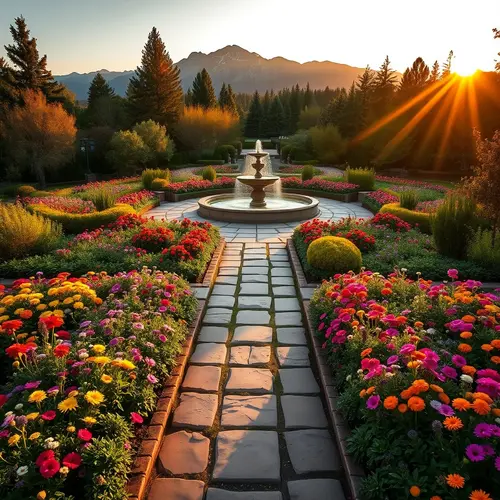
The Romantic Gardens showcase European-inspired formal designs with symmetrical beds, manicured hedges, and classical statuary. Peak bloom periods in late May through early June transform these spaces into fragrant showcases of roses, peonies, and delphiniums.
Seasonal Highlights and Best Times to Visit
Each season delivers distinct experiences. Spring (April through June) brings the Trudy’s Alcove with its award-winning tulip displays—over 15,000 bulbs planted annually in rotating color schemes. The Lilac Collection peaks in mid-May with over 40 varieties releasing their signature perfume.
Summer visitors should target early morning hours before temperatures climb. The Shady Lane Garden provides respite with hostas, ferns, and shade-loving perennials. Evening concerts at the amphitheater combine live music with garden exploration, though these events require separate ticketing.
Fall offers underrated value. Chrysanthemum displays rival spring tulips in visual impact, while ornamental grasses throughout the Steppe Garden reach their architectural peak. Reduced crowds make photography easier, and cooler temperatures improve walking comfort.
Winter transforms the Denver Botanic Gardens through the Blossoms of Light exhibition. Over one million LED lights illuminate pathways, trees, and architectural features from late November through early January. The Boettcher Memorial Tropical Conservatory provides warm refuge with year-round blooms including orchids, bromeliads, and carnivorous plants.
Navigating the Denver Botanic Gardens Layout Efficiently
The main entrance on York Street leads directly to the Science Pyramid and visitor center. First-time visitors should grab a map and prioritize the western loop, which includes highest-traffic areas like the Japanese Garden and Water-Smart Garden.
The eastern sections—including the Woodland Mosaic and Bird Refuge—see fewer visitors but offer equal horticultural interest. Birdwatchers bring binoculars to spot over 180 species documented on the grounds, from common house finches to occasional Cooper’s hawks hunting among the trees.
Allow minimum three hours for a thorough visit. Serious plant enthusiasts or photographers easily spend full days, especially during peak bloom seasons when new discoveries appear in every corner.
Practical Information for Planning Your Visit
| Aspect | Details |
|---|---|
| Operating Hours | 9:00 AM to 5:00 PM (extended summer hours until 8:00 PM) |
| Admission | Adults $15, Seniors $13, Students $11, Children under 3 free |
| Parking | On-site lot $10 (limited), street parking available on adjacent blocks |
| Accessibility | Fully ADA compliant with paved pathways, wheelchairs available |
| Pet Policy | Service animals only (except designated community days) |
Membership Benefits and Value Proposition
Individual memberships start at $75 annually and pay for themselves after just five visits. Members gain unlimited admission, reciprocal access to over 300 botanical gardens nationwide through the American Horticultural Society network, and discounts on classes, workshops, and special events.
The gardens offer robust educational programming. Horticulture certificates provide intensive training for aspiring professionals, while weekend workshops cover topics from pruning techniques to container design. According to the American Public Gardens Association, institutions like this contribute over $4 billion annually to local economies through education, research, and tourism.
Expert Tips Most Visitors Miss
Arrive right at opening to experience the gardens before crowds and heat intensify. Morning light also provides superior conditions for photography, with softer shadows and dew-covered foliage adding visual interest.
The Library at Denver Botanic Gardens houses over 23,000 volumes focused on botany, horticulture, and landscape design. Open to the public, it serves as an underutilized resource for gardeners seeking expert-level information beyond basic guides.
Free guided tours run daily at 10:30 AM from the visitor center. Led by trained docents, these 45-minute walks provide context about plant origins, garden history, and cultivation challenges specific to Denver’s climate zone (USDA Zone 5b). The information shared often transforms a casual stroll into an educational experience.
Common Misconceptions About the Denver Botanic Gardens
Many assume the gardens close entirely during winter months. While outdoor sections naturally go dormant, the tropical conservatory maintains active displays year-round. The cactus and succulent house also remains accessible, showcasing plants adapted to extreme conditions.
Another myth suggests you need botanical knowledge to appreciate the space. The gardens intentionally design experiences for all expertise levels. Clear signage provides common names, scientific classifications, and growing information without overwhelming casual visitors.
Dining and Amenities Within the Grounds
The Hive Garden Bistro serves farm-to-table lunch options with seasonal menus reflecting what’s growing on-site. Outdoor seating overlooks the Water-Smart Garden, though indoor tables guarantee relief during temperature extremes. Reservations aren’t accepted, so expect waits during peak weekend lunch hours.
The gift shop stocks curated plant selections, gardening tools, and locally made botanical art. Unlike generic tourist merchandise, inventory focuses on functional items that extend the garden experience home—seed packets featuring plants displayed in the collections, specialty fertilizers, and field guides specific to Rocky Mountain flora.
Beyond the Main Campus: Chatfield Farms and Mount Goliath
The Denver Botanic Gardens operates two satellite locations that expand programming beyond the York Street campus. Chatfield Farms in Littleton encompasses 700 acres of farmland, natural areas, and demonstration gardens. Seasonal events include pumpkin festivals, lilac walks, and bird-banding demonstrations that attract nature enthusiasts beyond traditional horticulture audiences.
Mount Goliath, located along State Highway 5 near Idaho Springs, protects alpine environments above 11,000 feet elevation. The site provides research opportunities for botanists studying climate change impacts on high-altitude ecosystems. Public access remains limited to protect fragile vegetation, though guided tours operate during summer months.
Making the Most of Your Denver Botanic Gardens Experience
Photography enthusiasts should bring macro lenses for close-up work and wide-angles for landscape compositions. The gardens prohibit commercial shoots without permits, but amateur photography for personal use faces no restrictions. Tripods are allowed except during crowded special events.
Families with young children benefit from timing visits around the Mordecai Children’s Garden programming schedule. Story times, scavenger hunts, and hands-on planting activities run most weekends during growing season, providing structured engagement that transforms potential restlessness into focused learning.
Solo visitors often find the gardens ideal for contemplative walks or outdoor work sessions. Free WiFi extends throughout main pathways, and numerous benches provide comfortable seating for reading, sketching, or simply observing the interplay between cultivated and wild spaces.
Whether you’re seeking horticultural education, peaceful refuge, or Instagram-worthy backdrops, the Denver Botanic Gardens delivers experiences that justify repeated visits. Each season reveals new perspectives on the same spaces, and the continually evolving plant collections ensure no two trips feel identical. For both Colorado residents and travelers passing through Denver, this remains one of the city’s most rewarding outdoor attractions.
About the Author