denver in july
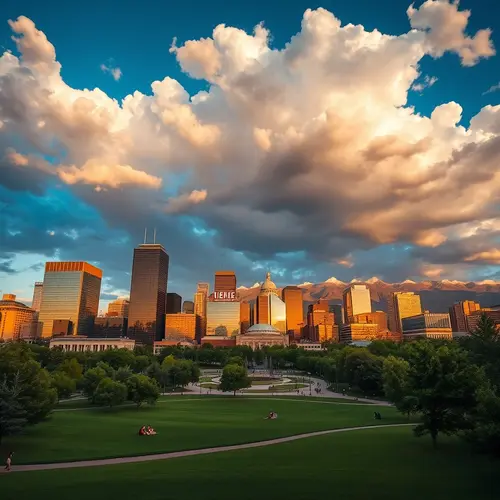
Planning a trip to denver in july? You’re in for warm days, afternoon thunderstorms, and some of the best outdoor weather Colorado offers. July brings average highs around 88°F (31°C) and lows near 59°F (15°C), with the Mile High City’s famous 300 days of sunshine showing up in full force. The altitude sits at 5,280 feet, which affects everything from how quickly you’ll feel the sun to how your body adjusts during the first few days.
July ranks as Denver’s second-warmest month and one of the busiest for tourism. Expect higher hotel rates and crowded attractions, but the tradeoff is access to peak outdoor conditions and a packed events calendar.
What the Weather Is Really Like During Denver in July
The National Weather Service data shows July delivers consistent warmth with a predictable pattern. Mornings start cool and pleasant, perfect for early hikes or neighborhood exploration. By afternoon, temperatures climb into the upper 80s.
Here’s what catches visitors off-guard: afternoon thunderstorms roll in almost daily between 2-6 PM. These aren’t gentle rain showers. Thunder, lightning, heavy downpours, and occasional hail arrive fast, usually lasting 30-60 minutes before clearing out. The storms are localized, meaning downtown might get drenched while neighborhoods three miles away stay dry.
The low humidity (often below 30%) means the heat feels manageable compared to muggy East Coast summers. Shade provides real relief. Nights cool down significantly once the sun sets, dropping into the 50s and 60s.
Altitude Considerations for Denver in July Visitors
The elevation amplifies UV exposure by roughly 25% compared to sea level. Sunburn happens faster. Dehydration sneaks up on you. Alcohol hits harder.
Most visitors experience mild altitude effects: slight headaches, fatigue, or shortness of breath during the first 24-48 hours. Drink significantly more water than normal—aim for 3-4 liters daily. Limit alcohol intake on arrival day. The Colorado Tourism Office recommends taking it easy the first day rather than jumping straight into strenuous mountain hikes.
Top Activities and Attractions During Denver in July
Summer unlocks Denver’s outdoor advantage. The combination of warm weather and extended daylight (sunset around 8:30 PM) creates ideal conditions for exploring.
Outdoor Recreation When Visiting Denver in July
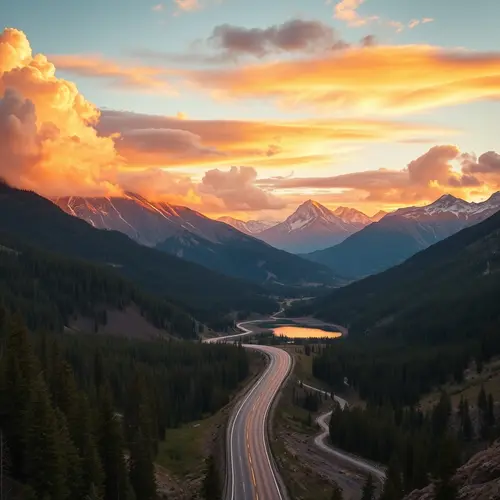
Rocky Mountain National Park sits 90 minutes northwest. Trail Ridge Road, closed in winter, offers driving access to 12,000-foot elevations. Popular trails like Emerald Lake or Bear Lake get packed by 9 AM. Arrive at sunrise or after 4 PM to avoid parking nightmares.
Red Rocks Park and Amphitheatre hosts concerts almost nightly. The natural acoustics and dramatic rock formations create an unmatched venue experience. The park itself opens for free hiking and photography during daytime hours.
Washington Park provides an urban escape. Locals call it “Wash Park.” Rent bikes, paddleboards, or simply sprawl on the lawn. The flower gardens peak in July.
- Denver Botanic Gardens showcase summer blooms across 24 acres
- Clear Creek Path offers 20 miles of paved trail following the creek through downtown
- Sloan’s Lake provides paddleboarding with city skyline views
- Mount Evans Scenic Byway reaches 14,130 feet—the highest paved road in North America
Denver in July Cultural Attractions and Indoor Options
When afternoon storms hit or you need a break from the sun, Denver’s museum district delivers. The Denver Art Museum holds over 70,000 works. The Clyfford Still Museum focuses on abstract expressionism. The Museum of Nature and Science includes an IMAX theater and planetarium.
The Santa Fe Art District hosts First Friday art walks. RiNo (River North Art District) showcases street art murals and craft breweries. The Tattered Cover bookstore spans three stories of independent book heaven.
Denver in July Events and Festivals
July packs the events calendar with options spanning music, food, and community celebrations.
Colorado Renaissance Festival runs weekends through early August in Larkspur (45 minutes south). Knights, turkey legs, and jousting tournaments recreate medieval village life.
Cherry Creek Arts Festival typically occurs over the Fourth of July weekend. Over 250 artists display work across multiple blocks. It’s one of the nation’s top-rated outdoor art shows.
Colorado Dragon Boat Festival brings racing teams to Sloan’s Lake mid-month. The pan-Asian celebration includes performances, food vendors, and cultural demonstrations.
| Event Type | Typical Schedule | Best For |
|---|---|---|
| Red Rocks Concerts | Multiple weekly shows | Music lovers, bucket-list venues |
| Baseball (Colorado Rockies) | Home games at Coors Field | Families, sports fans |
| Outdoor Movie Series | Various parks, evenings | Date nights, free entertainment |
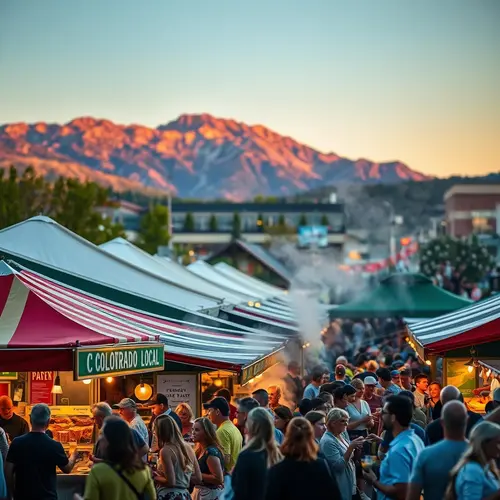
| Farmers Markets | Weekends, multiple neighborhoods | Local food, people-watching |
Packing Essentials for Denver in July
Layer strategically. The temperature swing from morning to afternoon to evening requires adaptability.
Absolute necessities: High-SPF sunscreen (mineral-based works best at altitude), a refillable water bottle, polarized sunglasses, and a wide-brim hat. Pack these first.
Clothing strategy: Lightweight, breathable fabrics for daytime. A light jacket or fleece for evening restaurant patios or mountain drives. Comfortable walking shoes—Denver’s grid layout encourages exploration on foot. If hiking, bring moisture-wicking layers and trail shoes with grip.
Rain gear: Skip the bulky raincoat. A packable rain jacket or umbrella handles afternoon storms. Shoes that can get wet and dry quickly beat waterproof boots in July heat.
- Lip balm with SPF (lips burn fast at altitude)
- Moisturizer (dry climate causes skin issues)
- Electrolyte tablets or packets
- Lightweight daypack for hikes and daily exploration
Neighborhood Guide for Visitors
LoDo (Lower Downtown): Walkable historic district with restaurants, bars, and Union Station. Coors Field sits on the edge. Higher hotel prices but maximum convenience.
Capitol Hill: Eclectic vibe with vintage shops, dive bars, and cheaper accommodation. Walking distance to downtown and Cheesman Park.
Highlands: Trendy residential area northwest of downtown. Local restaurants, boutiques, and a neighborhood feel. The 32nd Avenue corridor offers excellent dining.
Cherry Creek: Upscale shopping district with high-end hotels. The Cherry Creek Trail provides easy biking access to downtown.
Denver in July Insight: The Afternoon Storm Strategy
Most tourists fight the weather pattern instead of working with it. Here’s the local approach that transforms denver in july from frustrating to functional.
Schedule outdoor activities for morning hours—before 1 PM. Hit trails early, explore neighborhoods during cooler temperatures, and grab lunch by early afternoon. When clouds build around 2 PM (watch for towering cumulus formations), transition to indoor activities: museums, lunch that turns into a long meal, brewery tours, or shopping.
By 5-6 PM, storms typically clear. The air smells fresh, temperatures drop, and you get a second outdoor window for dinner patios or evening walks. This rhythm matches how locals structure their days.
Lightning danger is real in Colorado mountains. The “30-30 rule” applies: if thunder follows lightning by 30 seconds or less, seek shelter immediately. Wait 30 minutes after the last thunder before resuming outdoor activities. Colorado experiences more lightning deaths than most states, according to the National Weather Service.
Common Myths About Denver in July
Despite Colorado’s reputation for Rocky Mountain cold, July heat surprises many visitors. The “it’s a dry heat” cliche proves accurate but incomplete. That dry air accelerates dehydration and makes sun exposure more dangerous, not less.
Another misconception: you need a car for everything. Denver’s light rail connects the airport to downtown and extends to multiple neighborhoods. The free 16th Street Mall shuttle runs the length of downtown. Many attractions cluster within walking or bikeshare distance.
The altitude myth that needs correction: you can’t “train” for altitude in the weeks before arrival. Your body acclimates through exposure at elevation, not pre-trip preparation. Arriving well-hydrated and well-rested matters more than any advance conditioning.
Cost Considerations and Booking Strategy
July represents peak season pricing. Hotels near downtown range from $200-400+ per night. Book accommodations 6-8 weeks ahead for better rates and selection.
Alternative lodging in neighborhoods like Capitol Hill or Highlands costs 20-30% less while offering authentic local experiences. Vacation rentals work well for groups or families wanting kitchen access.
Restaurant reservations become essential for popular spots, especially weekend dinners. Book 3-5 days ahead for high-demand restaurants.
The Rocky Mountain National Park requires timed entry reservations for summer visits. These release online months in advance and sell out within hours. Check the official National Park Service website the moment reservations open.
Day Trip Options from Denver
July weather opens access to destinations snowbound or muddy other months.
Boulder: 30 minutes northwest. The Flatirons provide iconic backdrop for hiking. Pearl Street Mall offers outdoor dining and street performers. Chautauqua Park connects to extensive trail networks.
Garden of the Gods: 90 minutes south near Colorado Springs. Free park with dramatic red rock formations. Paved and dirt trails accommodate all fitness levels.
Georgetown and Idaho Springs: Historic mining towns 45-60 minutes west on I-70. Georgetown Loop Railroad runs scenic train rides. Idaho Springs delivers authentic mining history and hot springs options.
Breckenridge: Two hours west. The ski resort transforms into mountain biking and hiking destination. The town maintains charm year-round with shops and restaurants.
Final Thoughts on Planning Your Denver in July Trip
Success in denver in july comes down to respecting the altitude, working with the weather pattern, and mixing outdoor adventure with cultural experiences. The consistent sunshine and warm temperatures create ideal conditions for exploring Colorado’s capital, but smart planning around afternoon storms and proper hydration separate struggling tourists from travelers who maximize their time.
Book key components early—hotels, Rocky Mountain National Park reservations, and popular restaurant tables. Build flexibility into daily schedules to adapt when storms roll in earlier or last longer than typical. Most importantly, slow down those first 24 hours. Let your body adjust to the elevation while you explore at a relaxed pace.
The combination of urban sophistication and mountain access that defines Denver shines brightest during summer months. July delivers peak conditions for experiencing both sides of the city’s character.
About the Author