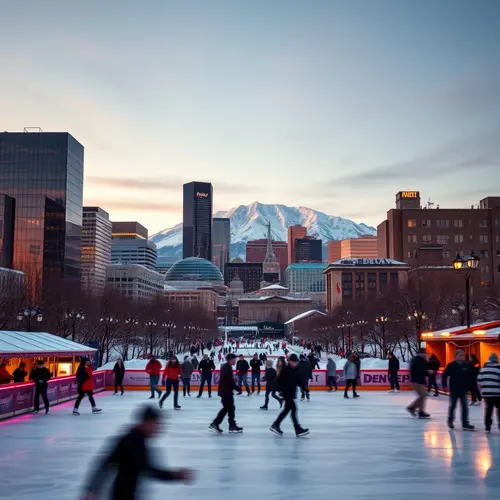
winter activities in denver
Top Winter Activities in Denver for Outdoor Enthusiasts
Source: Visit Denver official guide.
Related: Denver mountain holiday.
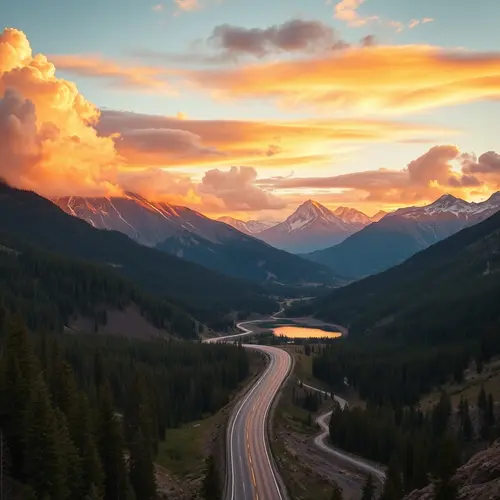
 The city serves as a gateway to some of North America’s premier ski resorts. Breckenridge, Vail, and Keystone lie within easy driving distance, making day trips feasible for visitors without mountain accommodations.
Skiing and Snowboarding Near Denver
I-70 west from Denver accesses over a dozen major resorts within two hours. Loveland Ski Area opens earliest each season, typically by mid-October, while Arapahoe Basin extends operations into June most years. Eldora Mountain Resort, just 47 miles from downtown, offers the closest true alpine skiing experience. Lift ticket prices fluctuate significantly based on advance purchase timing. Buying seven days ahead typically saves 30-40% compared to walk-up window rates.Snowshoeing and Winter Hiking Trails
Denver’s mountain parks system maintains accessible trails throughout winter months. Golden Gate Canyon State Park features groomed snowshoe paths with minimal avalanche risk. Mount Falcon Park offers panoramic city views from trails that remain navigable during most winter conditions. Proper preparation matters more than experience level. The 10 Essentials system—navigation tools, sun protection, insulation, illumination, first-aid supplies, fire starter, repair kit, nutrition, hydration, and emergency shelter—should guide every winter outing.Ice Skating Venues
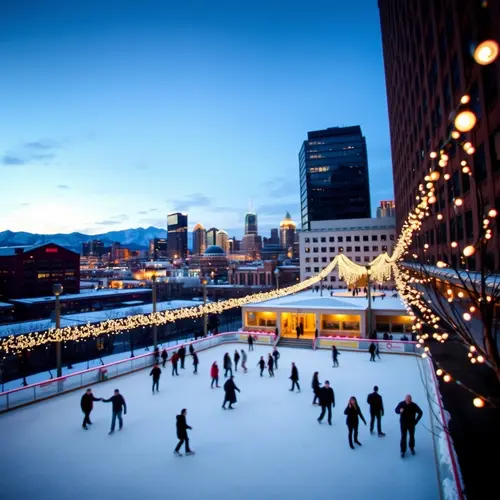
Downtown’s Skyline Park transforms into an outdoor ice rink from November through February. The Southwest Rink at the Denver Museum of Nature & Science provides mountain backdrop views while skating. Both venues offer skate rentals and heated rest areas. Indoor alternatives include the South Suburban Ice Arena and Big Bear Ice Arena, which maintain year-round operations with public skate sessions scheduled around hockey league play.Urban Winter Activities in Denver That Don’t Require Mountains
Not every visitor wants to drive mountain passes or gear up for subzero temperatures. Denver’s city limits contain substantial winter entertainment options.Brewery and Distillery Tours
Denver claims more breweries per capita than any major American city according to the Brewers Association. The RiNo (River North) Arts District concentrates over 25 craft beverage producers within walkable blocks. Winter releases typically feature imperial stouts, barrel-aged beers, and seasonal spiced ales. Many facilities offer behind-the-scenes tours explaining fermentation processes, barrel aging techniques, and ingredient sourcing. Booking ahead ensures access during peak weekend hours.Museum and Cultural Attractions
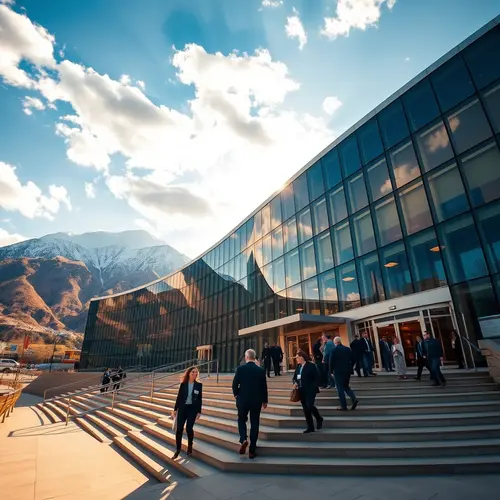
The Denver Art Museum houses over 70,000 works spanning global cultures and time periods. Its distinctive angular architecture creates Instagram-worthy exterior shots even when snow accumulates on the plaza. The Denver Museum of Nature & Science features planetarium shows, IMAX documentaries, and hands-on exhibits explaining Colorado’s geological formation. The museum stays open late on first Thursdays each month with discounted admission.Shopping and Dining in Cherry Creek
The Cherry Creek Shopping Center combines high-end retailers with local Colorado brands under one climate-controlled roof. Adjacent Cherry Creek North contains over 160 independently owned boutiques, galleries, and restaurants along tree-lined streets with covered walkways. Winter restaurant weeks typically run in late February and early March, offering prix fixe menus at reduced rates from participating establishments.Planning Your cold-season fun: Practical Considerations
Successful winter trips require understanding Denver’s specific environmental factors and seasonal patterns.Weather Patterns and Altitude Adjustment
Denver receives approximately 60 inches of annual snowfall, but the city’s “banana belt” climate means daytime temperatures frequently reach the 40s and 50s even in January. Snow rarely persists more than 48 hours on city streets. Altitude affects hydration needs and alcohol tolerance significantly. Drinking twice your normal water intake during the first 48 hours prevents most altitude-related headaches. The lower oxygen availability at elevation means alcohol impacts you more quickly than at sea level.Transportation and Mountain Access
Colorado law requires proper traction devices (snow tires or chains) from September through May on I-70 mountain corridors. Rental car companies offer winter tire packages, but availability limits during peak periods. The Bustang ski service operates weekend routes from Denver Union Station to major resorts, eliminating driving concerns and parking hassles. Advance reservations fill quickly for powder days following fresh snowfall.What to Pack for Winter Activities in Denver
Layering beats heavy single garments for managing Denver’s variable winter conditions. A moisture-wicking base layer, insulating mid-layer, and waterproof/windproof outer shell handles most situations.| Activity Type | Essential Gear | Optional but Recommended |
|---|---|---|
| Urban Exploration | Insulated jacket, comfortable walking shoes with grip, sunglasses | Hand warmers, lip balm with SPF, small backpack |
| Mountain Day Trips | Waterproof boots, gloves, hat, sunscreen SPF 50+ | Neck gaiter, traction devices for boots, thermos |
| Skiing/Snowboarding | Helmet, goggles, moisture-wicking layers, proper outerwear | Hand/toe warmers, avalanche beacon (backcountry), spare goggles |
Hidden Gems: Underrated cold-season fun
Beyond the standard tourist checklist, several lesser-known options deliver authentic Colorado winter experiences.Denver Botanic Gardens at Chatfield
While many assume botanical gardens close for winter, Chatfield Farms maintains trails through naturalized areas where winter birds congregate. The contrast between snow-covered fields and evergreen windbreaks creates distinctive photography opportunities.Red Rocks Amphitheatre Winter Visits
The iconic concert venue permits free access for hiking and photography when events aren’t scheduled. Winter visits mean smaller crowds and dramatic lighting as low-angle sun illuminates the red sandstone formations. The Trading Post museum stays open year-round with exhibits on the venue’s geological and musical history.Bonfils Blood Center Donor Rewards
An unconventional suggestion, but donating blood or platelets at Bonfils earns points redeemable for Denver attraction tickets, restaurant vouchers, and ski lift passes. The process takes 60-90 minutes and directly benefits Colorado hospitals while providing tangible rewards.Expert Perspective: The Overrated vs. Underrated Debate
After guiding visitors through Denver winters for over a decade, I’ve noticed a persistent misconception: that winter activities in Denver require expensive resort passes or specialized equipment to enjoy properly. The reality contradicts this assumption. Some of the most memorable winter experiences cost nothing—watching alpenglow paint the peaks from City Park at sunset, walking the frozen shoreline at Sloan’s Lake while herons fish in open water, or sampling free tastings at distilleries along South Broadway. Conversely, the 16th Street Mall gets recommended in virtually every Denver guide despite offering little that distinguishes it from pedestrian malls in any mid-sized American city. Your time delivers better returns exploring neighborhood business districts like Tennyson Street or South Pearl Street.Safety Protocols for Mountain-Based Activities
Colorado’s mountains demand respect regardless of experience level. The Colorado Avalanche Information Center provides daily forecasts for backcountry zones, rating danger on a five-level scale. Never venture beyond established ski area boundaries without proper avalanche safety training, rescue equipment (beacon, probe, shovel), and group coordination. According to the Colorado Avalanche Information Center, the state averages six avalanche fatalities annually, with most victims triggering the slides themselves.Recognizing Altitude Sickness Symptoms
Mild altitude sickness affects roughly 25% of visitors ascending above 8,000 feet. Symptoms include headache, nausea, fatigue, and dizziness. Descending 1,000-2,000 feet typically provides rapid relief. Severe cases progress to High Altitude Pulmonary Edema (HAPE) or High Altitude Cerebral Edema (HACE), both medical emergencies requiring immediate descent and professional care. If confusion, severe shortness of breath, or persistent coughing develop, abandon recreational plans and seek lower elevation immediately.Maximizing Your Winter Denver Experience
Strategic timing amplifies enjoyment of winter activities in Denver. January and February deliver the most consistent snowpack for skiing, while March offers longer daylight and milder temperatures for outdoor exploration. Hotel rates drop significantly in early January after holiday travel ends, creating value opportunities for flexible visitors. Shoulder season visits in late November or early April mean fewer crowds at major attractions but less reliable mountain conditions. Research specific resort opening and closing dates when booking outside peak winter months.Budget Optimization Strategies
Denver’s public transit system connects downtown to numerous attractions for $3 per ride or $10.50 for a day pass. The free MallRide shuttle runs every few minutes along 16th Street, linking Union Station to the Denver Pavilions shopping complex. Many museums offer free admission on specific days each month. The Denver Art Museum admits Colorado residents free on select dates, while the Clyfford Still Museum discounts admission on first Fridays. Grocery stores like King Soopers and Safeway stock lift ticket vouchers at service desks, sometimes offering 2-for-1 deals or percentage discounts on specific resort days.Final Thoughts on Denver’s Winter Landscape
The magic of winter activities in Denver stems from accessibility rather than exclusivity. You don’t need elite athletic ability or unlimited budget to experience what makes this region special. Whether you’re gliding down groomed ski runs, sipping barrel-aged stout in a heated brewery taproom, or simply walking snow-dusted trails with mountain views, Denver offers winter experiences matching every interest and ability level. The key lies in preparation and realistic expectation setting. Respect the altitude, layer your clothing, stay hydrated, and remain flexible when weather disrupts plans. These simple practices transform potential frustrations into memorable adventures that reveal why residents and repeat visitors return to winter activities in Denver season after season.Travelers choosing winter activities in denver early enjoy better options.
Travelers choosing winter activities in denver early enjoy better options.
Travelers choosing winter activities in denver early enjoy better options.
Travelers choosing winter activities in denver early enjoy better options.
Travelers choosing winter activities in denver early enjoy better options.
Related Guides
See also bleisure travel a trend thats here to stay, budget travel a practical approach, denver botanic gardens events, denver city guide gem, denver family friendly entertainment.
What should we pack?
Bring layers, boots, and gloves. Check forecasts daily. Keep backup indoor plans ready.
Are outdoor events safe?
Yes with proper gear and breaks. Follow venue rules. Stay hydrated in dry air.
When do lights start?
Most displays open late November. Book early weekends. Go weekdays for fewer crowds.
About the Author