denver city
Denver City stands as one of West Texas’s most intriguing small towns, offering visitors a genuine slice of authentic prairie life combined with surprising amenities and rich oil field heritage. Located in Yoakum County near the New Mexico border, this community of approximately 5,000 residents serves as a gateway to wide-open landscapes, local history, and a slower pace that feels worlds away from metropolitan chaos.
The town emerged in the 1930s following significant oil discoveries. Today, energy production remains central to the local economy, creating a unique blend of industrial heritage and small-town charm that appeals to travelers seeking off-the-beaten-path destinations.
What Makes Denver City Worth Visiting
Unlike crowded tourist hubs, Denver City offers an unfiltered look at working Texas communities. The authenticity here stands in stark contrast to manufactured tourist experiences found elsewhere.
Visitors discover genuine hospitality at local diners where regulars know each other by name. The absence of chain restaurants forces exploration of family-owned establishments that have served the same recipes for decades.
Outdoor enthusiasts appreciate access to nearby state parks and wildlife management areas. The Llano Estacado ecosystem surrounding the town provides habitat for pronghorn antelope, mule deer, and numerous bird species tracked by the Texas Parks and Wildlife Department.
Historical Significance of Denver City
The Wasson Oil Field discovery transformed this region from ranchland into a petroleum powerhouse. Local museums preserve drilling equipment, vintage photographs, and oral histories from pioneering families who built the community from scratch.
Architecture buffs notice the mid-century modern influences in civic buildings, reflecting the optimism and rapid growth of the post-war oil boom era. These structures tell a visual story of American energy development.
Practical Information for Travelers
Getting to Denver City requires driving, as the nearest commercial airports are located in Lubbock (approximately 60 miles northeast) and Hobbs, New Mexico (about 40 miles west). The journey itself becomes part of the experience, with endless horizon views and dramatic sunset skies.
Accommodation options remain limited to a handful of motels and bed-and-breakfast establishments. Booking ahead is essential, especially during hunting seasons when lodging fills quickly with sportsmen accessing nearby ranches.
Climate and Best Times to Visit
The high desert climate brings hot summers with temperatures frequently exceeding 95°F and mild winters with occasional freezing conditions. Spring (March through May) and fall (September through November) offer the most comfortable weather for outdoor activities.
Wind is constant on the plains. Visitors should pack layers and sun protection regardless of season. According to National Weather Service data for the region, precipitation averages only 18 inches annually, making drought-resistant vegetation dominant.
| Season | Average High/Low | Visitor Experience |
|---|---|---|
| Spring | 75°F / 45°F | Wildflowers, mild temperatures |
| Summer | 95°F / 65°F | Hot, clear skies, long daylight |
| Fall | 78°F / 48°F | Hunting season, comfortable hiking |
| Winter | 55°F / 28°F | Quiet, occasional snow, low tourism |
Local Attractions and Activities in Denver City
The Yoakum County Museum showcases regional history through exhibits on ranching, oil production, and Native American artifacts. Volunteers with decades of local knowledge often staff the facility, providing context that signs alone cannot convey.
Golf enthusiasts find a well-maintained municipal course that challenges players with strategic water hazards and fast greens. Green fees remain remarkably affordable compared to urban courses.
Shopping and Dining Scene
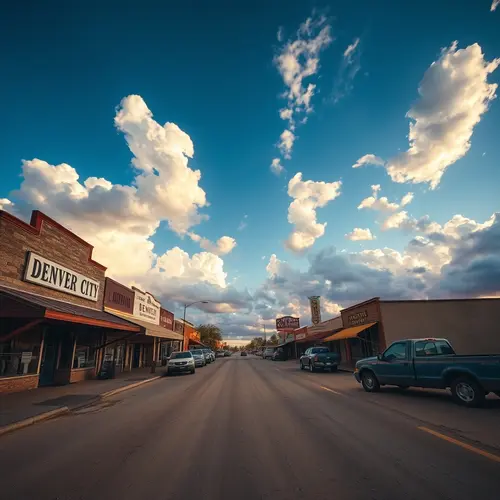
Main Street features a mix of agricultural supply stores, thrift shops, and specialty retailers catering to ranching communities. This is not a destination for luxury shopping, but rather for observing working-town commerce.
Local restaurants serve substantial portions of Tex-Mex cuisine, chicken-fried steaks, and homestyle barbecue. Cash is often preferred at smaller establishments, though most accept cards.
Expert Perspective on Denver City Tourism
Many travel guides overlook Denver City entirely, dismissing small oil towns as lacking appeal. This represents a fundamental misunderstanding of destination diversity.
The value here lies precisely in its lack of polish. Travelers tired of Instagram-optimized experiences find refreshing honesty in communities that exist primarily for residents rather than visitors. Conversations at the local coffee shop reveal perspectives on land management, energy policy, and rural life that urban dwellers rarely encounter.
One common misconception suggests that oil towns lack environmental consciousness. Local ranchers and landowners demonstrate sophisticated understanding of habitat management and water conservation, practices essential for multi-generational land stewardship as documented by Texas A&M AgriLife Extension research.
Practical Tips from Seasoned Travelers
- Fill your gas tank before arriving; fuel stations close early on Sundays
- Engage locals in conversation at diners for recommendations on scenic drives
- Respect private property boundaries, especially around oil and gas operations
- Download offline maps, as cellular coverage can be inconsistent outside town
- Visit the library for free WiFi and insights into community events
- Check local regulations before attempting wildlife photography on public lands
Planning Your Denver City Experience
Budget-conscious travelers appreciate the low cost of visiting Denver City. Accommodation and meals cost significantly less than in tourist-oriented destinations, allowing extended stays without financial strain.
Photography opportunities abound for those interested in landscape work. The quality of light across flat terrain creates dramatic compositions during golden hour. Storm photography enthusiasts find excellent visibility for tracking weather systems across the plains.
Birdwatchers should bring field guides for identification of species adapted to semi-arid environments. Migration periods bring unexpected variety to an area many assume is ornithologically monotonous.
Connecting with Regional Attractions
Use Denver City as a base for exploring the broader Permian Basin region. Day trips to Carlsbad Caverns National Park (approximately 120 miles west) or Palo Duro Canyon State Park (about 140 miles north) are feasible for early risers.
The town’s central location between Lubbock and Hobbs makes it a strategic overnight stop for cross-country travelers on US Highway 380. This positioning turns necessity into opportunity for curious explorers.
Final Considerations for Visiting Denver City
This destination rewards patience and curiosity over checklist tourism. Travelers seeking luxury resorts or curated experiences should look elsewhere. Those wanting authentic interaction with working-class Texas culture will find Denver City delivers precisely that experience.
The town’s character reflects resilience and adaptation to harsh environmental conditions. Understanding this context transforms a simple stopover into a meaningful encounter with a different way of life that persists against homogenizing cultural trends.
Whether passing through on a cross-country journey or deliberately seeking small-town immersion, Denver City offers a perspective on American regional diversity that metropolitan areas cannot replicate.
About the Author