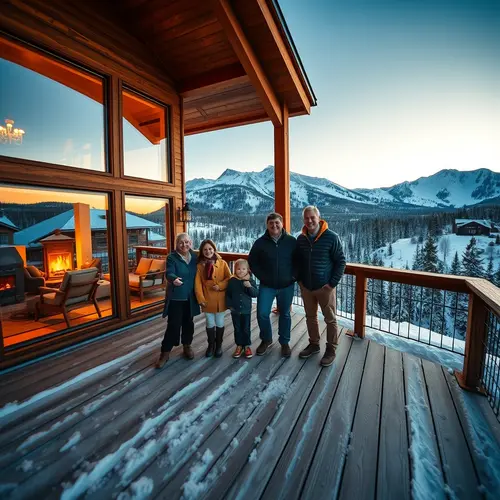
denver mountain holiday
Planning a denver mountain holiday means accessing some of North America’s most spectacular alpine terrain within an hour’s drive from a major metropolitan hub. Denver serves as the gateway to the Rocky Mountains, offering travelers immediate proximity to world-class skiing, hiking trails, and mountain resort towns that define Colorado’s reputation as a premier outdoor destination.
The city’s unique position at 5,280 feet elevation puts you already halfway to the high country. This geographic advantage makes Denver the strategic starting point for mountain adventures that range from luxury resort experiences to backcountry wilderness exploration.
Why Choose a Denver Mountain Holiday
Denver International Airport ranks as one of the most accessible gateways to mountain recreation in the United States. The infrastructure connecting urban amenities to alpine environments remains unmatched across the American West.
Most mountain destinations sit between 60 to 120 minutes from downtown Denver via Interstate 70 or Highway 285. This proximity eliminates the typical barriers associated with remote mountain travel while maintaining authentic alpine character.
Altitude Considerations for Your Denver Mountain Holiday
Altitude affects every visitor differently. Denver itself sits at one mile high, while mountain resort towns like Breckenridge reach 9,600 feet and summit elevations exceed 14,000 feet.
The Centers for Disease Control recommends gradual acclimatization for travelers ascending above 8,000 feet. Spending your first night in Denver or Golden (at lower elevations) before heading higher reduces altitude-related discomfort significantly.
| Location | Elevation (feet) | Drive Time from Denver |
|---|---|---|
| Downtown Denver | 5,280 | Base |
| Golden | 5,675 | 25 minutes |
| Breckenridge | 9,600 | 90 minutes |
| Vail | 8,150 | 100 minutes |
| Aspen | 7,908 | 3.5 hours |
| Winter Park | 9,052 | 67 minutes |
Selecting Your Mountain Destination
Colorado’s Front Range offers distinct mountain towns, each with specialized character. Your choice depends on activity preferences, budget parameters, and desired atmosphere.
Summit County Resorts
Breckenridge, Keystone, and Copper Mountain form a interconnected resort triangle. These destinations provide extensive skiing terrain, historic mining town charm, and family-oriented amenities.
Breckenridge’s Main Street preserves Victorian architecture while housing contemporary restaurants and shops. The town operates a free shuttle system connecting lodging areas to ski lifts.
Vail Valley Sophistication
Vail delivers European-inspired village architecture with the largest single ski mountain in North America. The Back Bowls offer intermediate and advanced terrain spanning over 3,000 acres.
Beaver Creek, located 10 miles west, provides a more intimate luxury experience. Daily afternoon cookie service at the base village exemplifies the attention to hospitality details.
Winter Park Accessibility
Winter Park sits closest to Denver via US Highway 40 through Clear Creek Canyon. The resort caters heavily to Denver locals, creating a less tourist-focused atmosphere.
Mary Jane territory at Winter Park contains some of Colorado’s most challenging mogul runs. Advanced skiers prioritize this terrain for technical difficulty.
Seasonal Strategies for Denver Mountain Holiday Planning
Mountain conditions shift dramatically across seasons. Each period offers distinct advantages for specific activities.
Winter Operations (December through March)
Peak ski season delivers reliable snow coverage but maximum crowds and premium pricing. Martin Luther King Jr. weekend and Presidents’ Day weekend represent the busiest periods.
Midweek visits (Tuesday through Thursday) provide substantially better value and less crowded slopes. Many resorts offer dynamic pricing that rewards flexible scheduling.
Spring Skiing (April)
Late season combines warmer temperatures with remaining snowpack. Corn snow develops on sunny slopes, creating ideal conditions for intermediate skiers.
Many resorts close lifts progressively through April. Arapahoe Basin typically extends operations into June, weather permitting.
Summer Alpine Experiences (June through September)
Wildflower blooms peak in July at elevations between 9,000 and 11,000 feet. Hiking trails become accessible as snowmelt clears high-altitude passes.
The Colorado Trail and Continental Divide Trail traverse the mountains west of Denver. Section hiking these long-distance routes provides multi-day backcountry experiences.
Fall Color Season (Late September through October)
Aspen groves transform mountainsides into gold and orange displays. Guanella Pass and Kenosha Pass offer accessible drives for color viewing without extensive hiking.
Elk rutting season occurs simultaneously, creating wildlife viewing opportunities in areas like Rocky Mountain National Park.
Transportation Logistics
Mountain access requires careful transportation planning. Weather conditions can alter travel times significantly during winter months.
Rental Vehicle Considerations
All-wheel drive or four-wheel drive vehicles provide essential traction on mountain highways during winter. Colorado law mandates traction devices (chains or winter tires) on Interstate 70 during certain conditions.
Major rental agencies at Denver International Airport stock AWD SUVs, but availability tightens during peak weekends. Reserve vehicles months ahead for holiday periods.
Shuttle and Bus Services
Companies like Bustang (operated by the Colorado Department of Transportation) and private shuttles like Peak 1 Express provide scheduled service between Denver and mountain towns.
These services eliminate parking concerns and driving stress but operate on fixed schedules that may not align with flight times or personal preferences.
Lodging Architecture for a Denver Mountain Holiday
Accommodation strategies balance location convenience against cost efficiency. Slopeside lodging commands premium rates while valley locations offer budget advantages.
Ski-In/Ski-Out Properties
Direct lift access eliminates shuttle dependency and maximizes slope time. Properties at Beaver Creek, Vail, and Copper Mountain provide this convenience at the highest price points.
Families with young children benefit most from this arrangement, as it simplifies logistics for multiple daily trips to lodging.
Town-Based Lodging
Staying in Breckenridge, Frisco, or Silverthorne provides restaurant variety and lower nightly rates. Free local shuttles connect these towns to ski areas during operating seasons.
Grocery stores in these locations allow self-catering options that significantly reduce meal costs compared to on-mountain dining.
Denver-Based Hub Strategy
Some travelers maintain a Denver hotel base for the entire trip, making day trips to different mountains. This approach works for groups with mixed interests who want urban dining and cultural options.
Lower Denver lodging costs offset increased fuel expenses. This strategy provides maximum flexibility but requires early morning departures to avoid Interstate 70 traffic.
Expert Perspective: The Interstate 70 Traffic Reality
Interstate 70 represents both the lifeline and the bottleneck for mountain access. Understanding traffic patterns separates experienced mountain travelers from frustrated tourists.
Westbound traffic on Friday afternoons and Saturday mornings creates parking lot conditions through the Eisenhower Tunnel. Eastbound Sunday afternoon returns produce similar congestion.
Savvy travelers reverse the typical pattern: travel westbound Thursday evening or very early Saturday (before 6 AM), and return eastbound Monday morning or Sunday evening after 7 PM. This simple timing adjustment can save hours of frustration.
The Colorado Department of Transportation operates variable message signs and provides real-time traffic updates through the COtrip website and mobile app. Check conditions before departure rather than relying on GPS estimates.
Activity Diversification Beyond Skiing
Mountains offer year-round recreation beyond winter sports. Diversifying activities enhances the overall denver mountain holiday experience.
- Fat tire biking on groomed winter trails at Snow Mountain Ranch or Devil’s Thumb Ranch
- Snowshoeing through quiet forest terrain in Rocky Mountain National Park
- Ice climbing instruction at Ouray Ice Park (3.5 hours from Denver)
- Cross-country skiing at Frisco Nordic Center or Devils Thumb Ranch
- Dog sledding experiences in Breckenridge or Frisco
- Hot springs soaking at Idaho Springs, Glenwood Springs, or Mount Princeton
- Via ferrata climbing routes at Arapahoe Basin
- Mountain coaster rides at multiple resort bases
Rocky Mountain National Park Integration
Located 90 minutes northwest of Denver via Highway 36, Rocky Mountain National Park deserves dedicated time during any mountain visit. Trail Ridge Road (when open) crosses the Continental Divide at 12,183 feet.
Timed entry permits are required during peak visitation periods. Reserve these through Recreation.gov well ahead of travel dates.
Budget Management Strategies
Mountain travel costs accumulate quickly across lodging, lift tickets, equipment rentals, and dining. Strategic planning controls expenses without sacrificing experience quality.
Lift Ticket Economics
Never purchase walk-up window tickets. Advance online purchases through resort websites, Liftopia, or package deals reduce per-day costs by 30-50%.
Epic Pass and Ikon Pass products provide multi-resort access at significant discounts for trips exceeding five ski days. These passes require purchase months before the season begins.
Equipment Rental Optimization
Reserve rental equipment online before arrival for guaranteed availability and lower pricing. Denver-based rental shops offer better rates than on-mountain locations.
Shops like Christy Sports operate multiple Front Range locations with free overnight storage if you rent before driving to the mountains.
Common Planning Mistakes to Avoid
Learning from typical errors prevents wasted time and money during your denver mountain holiday.
Underestimating altitude effects causes the most common complaint among first-time visitors. Hydration requirements double at elevation. Alcohol affects you more strongly at altitude, compounding dehydration issues.
Overpacking itineraries creates stress rather than enjoyment. Mountain driving takes longer than map distances suggest. Weather can cancel planned activities without warning. Build buffer days and flexible alternatives into schedules.
Ignoring weather forecasts leads to dangerous situations. Mountain weather changes rapidly. Afternoon thunderstorms develop regularly during summer months. Lightning poses serious risk above treeline.
Final Preparations
A successful denver mountain holiday requires physical preparation alongside logistical planning. Cardiovascular fitness directly impacts enjoyment at elevation. Even moderate hiking challenges lungs and legs differently in thin mountain air.
Start a basic conditioning program six weeks before travel if you maintain a sedentary lifestyle. Focus on leg strength and aerobic capacity through activities like stair climbing, cycling, or hiking with a weighted pack.
The mountains surrounding Denver provide unmatched outdoor recreation accessibility. Proper planning transforms a simple vacation into a memorable alpine experience that showcases why Colorado built its identity around mountain culture.
About the Author